
Turning 40 brings changes that can feel sudden even though they’ve been building for years, from shifting hormones to new aches that weren’t there before. The good news is that most of these changes are manageable once you understand what’s actually happening and which solutions are backed by real evidence.
This guide walks through the most common midlife body changes and the practical, proven ways to address each one, so you can make informed choices instead of guessing.
- Understanding Hormonal Shifts and Balance
- Skin Texture, Volume, and Collagen Loss
- Joint Pain, Mobility, and Long-Term Support
- Circulatory Changes and Leg Health
- Chronic Pain Management Beyond Medication
- Migraine Frequency and Effective Relief Options
- Emotional Wellbeing and Stress Resilience
- Genetic Insights and Personalized Health Planning
- Supporting Family Members Through Age Related Changes
- Final Thoughts
Understanding Hormonal Shifts and Balance
Somewhere in your 40s, estrogen, progesterone, and testosterone levels start fluctuating in ways that affect sleep, mood, weight, and energy. For many women, this is the perimenopause window, which can start as early as the mid-30s and last anywhere from four to ten years before periods stop altogether. Estrogen doesn’t just decline steadily during this time — it swings unpredictably, which explains why symptoms like hot flashes, night sweats, and mood changes can feel inconsistent week to week.
Men often experience a slower decline in testosterone, typically around 1% per year after age 30, but by the 40s that cumulative drop can produce noticeable symptoms: reduced muscle mass, lower motivation, weaker libido, and disrupted sleep. This gradual pattern is sometimes called andropause, though it’s less abrupt than menopause and easier to dismiss as “just getting older.”
A simple blood panel from your doctor can identify what’s actually shifting rather than leaving you to guess based on symptoms alone. Useful markers include estradiol, FSH, and progesterone for women, and total and free testosterone for men, along with thyroid function tests since thyroid issues often mimic hormonal symptoms. Getting a baseline in your early 40s, even before symptoms are bothersome, gives you and your doctor something concrete to compare against later.
For some people, HRT becomes a genuinely helpful option once other causes have been ruled out and the risks and benefits have been discussed with a physician. This usually means bloodwork covering estrogen, progesterone, testosterone, and thyroid function, along with a conversation about family history and personal risk factors like blood clots or certain cancers. HRT is not a one-size-fits-all fix, but for the right candidate it can meaningfully improve sleep quality, mood stability, and bone density.
Delivery methods matter too. Patches, gels, and pills each carry different absorption rates and risk profiles, so what works well for a friend may not be the right fit for you. Some people notice improvement within a few weeks, while others need several months of dose adjustments before things feel stable.
The key is working with a provider who monitors your levels over time rather than starting and forgetting. That typically means follow-up labs every three to six months in the first year, with check-ins on symptoms like hot flashes, energy, and libido alongside the numbers. Think of it as an ongoing partnership rather than a prescription you fill once and revisit only if something feels wrong.
- Ask for a full hormone panel (estrogen, progesterone, testosterone, thyroid, and cortisol), not just a single marker
- Track symptoms like sleep, mood, and energy for a few weeks before your appointment to spot patterns
- Discuss both benefits and risks of HRT with a specialist, including how it may affect heart, bone, and breast health
- Ask about different HRT delivery methods, such as patches, pills, or creams, since side effects can vary
- Revisit your treatment plan every six to twelve months and adjust dosage as your body changes
Skin Texture, Volume, and Collagen Loss

Collagen production drops noticeably after 40, which is why skin can start to look thinner, less elastic, and more prone to fine lines. This is a natural part of aging, but there are dermatological options that can soften its visible effects if that matters to you. Retinoids, sunscreen, and hydration remain the foundation, but they can only do so much once volume loss becomes noticeable.
Many dermatology clinics now offer fillers as a minimally invasive way to restore volume in the cheeks, under the eyes, or around the mouth. These treatments are temporary and require maintenance, so it’s worth understanding the cost and time commitment before starting. A consultation with a board-certified provider can help you decide whether fillers are worth it for your goals or whether a simpler skincare routine will do.
Joint Pain, Mobility, and Long-Term Support
Cartilage naturally wears down with age, and by 40 many people notice new stiffness in the knees, hips, or lower back that wasn’t there a decade earlier. Staying active is still one of the best defenses, but the type of movement matters more than the amount. Low-impact strength training and mobility work tend to protect joints better than high-impact cardio alone.
For a smaller group of people, joint damage or an injury progresses to the point where daily mobility becomes genuinely difficult, and planning ahead matters. If a family member is aging with a degenerative condition or recovering from surgery, having a wheelchair ramp installed at the entrance of the home can make an enormous difference in independence and safety. It’s a practical step that’s easy to overlook until it’s urgently needed, so addressing it early rather than in a crisis tends to lead to better outcomes.
Circulatory Changes and Leg Health
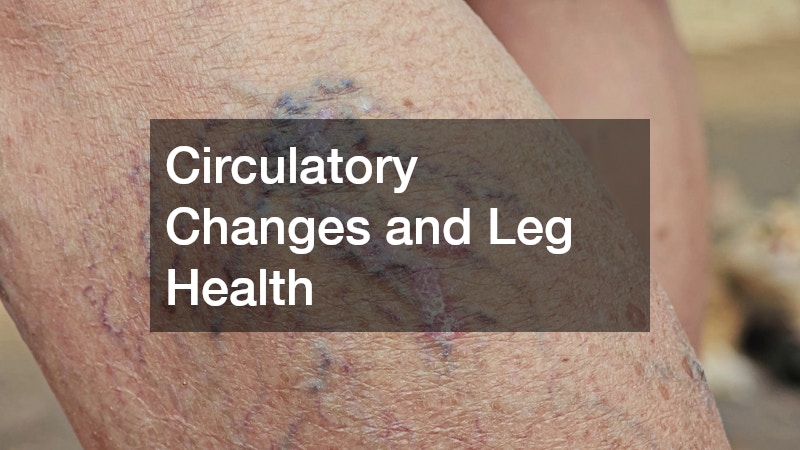
Many people first notice bulging, discolored veins in their 40s, often on the calves or backs of the knees. Varicose veins form when the valves inside veins weaken and allow blood to pool instead of flowing efficiently back to the heart. Hormonal shifts, years of standing or sitting for long stretches, and a natural decline in vein elasticity all make this decade a common tipping point.
They’re usually harmless cosmetically but can cause aching, swelling, or heaviness by the end of the day. Some people also notice mild itching around the affected veins or ankles that swell after a long day on their feet. Women tend to develop them more often than men, and pregnancy, genetics, and excess weight can all increase the risk.
Simple habits can ease symptoms even if they don’t eliminate the veins themselves. Elevating your legs for 15-20 minutes a few times a day, wearing compression socks, and avoiding prolonged standing can noticeably reduce end-of-day swelling. Regular movement, like walking or ankle circles during long periods of sitting, also helps keep blood from pooling in the lower legs.
It’s worth seeing a doctor if veins become painful, the skin nearby changes color or texture, or you notice a hard, tender cord under the skin, since this can signal a clot rather than ordinary varicose veins.
Around 40, many people first notice varicose veins, spider veins, or a general feeling of heaviness in their legs by the end of the day. This happens because the valves in your leg veins gradually lose efficiency, allowing blood to pool instead of flowing smoothly back to the heart. Hormonal shifts, weight changes, and years of standing or sitting for long stretches can all speed this along.
Compression socks, regular movement, and elevating your legs above heart level for 15-20 minutes a day can ease mild symptoms significantly. Look for compression socks in the 15-20 mmHg range for everyday wear, or ask about medical-grade options if symptoms are more pronounced. Simple habits like taking a short walk every hour, flexing your ankles while seated, and avoiding crossing your legs for extended periods also help keep circulation moving.
Persistent or painful cases, though, often need a vein specialist rather than home management alone. Treatments range from sclerotherapy, where a solution is injected to close off problem veins, to laser procedures and radiofrequency ablation for larger varicose veins. Most of these are outpatient, take under an hour, and require minimal downtime, often just a day or two before returning to normal activity.
If you notice new swelling, skin discoloration, a warm or tender area along a vein, or a heavy aching feeling that doesn’t improve with rest, it’s worth getting evaluated rather than waiting. These can sometimes signal a blood clot or more advanced venous insufficiency, both of which are far easier to manage when caught early.
Chronic Pain Management Beyond Medication
Recurring headaches, back pain, and muscle tension tend to become more frequent in your 40s, partly due to hormonal shifts and partly due to accumulated wear on the body. Declining estrogen and testosterone levels can lower your pain threshold and increase inflammation, while years of poor posture, old injuries, and reduced muscle mass catch up with your joints and spine. It’s common to notice tension headaches after long workdays or stiffness that wasn’t there a decade ago.
Many people reach for over-the-counter medication first, but that approach often masks symptoms rather than addressing the underlying cause. Relying on ibuprofen or acetaminophen daily can also cause its own problems, including stomach irritation, liver strain, or rebound headaches when the medication wears off.
Working with a physical therapist or pain specialist to identify triggers can lead to longer-lasting relief. A PT might spot that your headaches stem from tight neck and shoulder muscles rather than stress alone, or that your lower back pain traces back to weak glutes rather than a spinal issue.
Beyond formal treatment, simple daily habits make a measurable difference: stretching for 10 minutes each morning, using a standing desk or setting hourly movement reminders, and applying heat or cold therapy to flare-ups. Techniques like dry needling, massage therapy, and low-impact strength training also help address the root cause rather than just dulling the pain temporarily.
Chronic pain at 40 rarely responds to a single fix, which is why an increasing number of people are turning to complementary approaches alongside conventional care. Seeing a licensed acupuncturist has helped many patients manage chronic tension, migraines, and joint discomfort as part of a broader pain management plan. Many report noticeable improvement after four to six sessions, though results vary depending on the condition and how long it’s been present.
Other options worth discussing with your doctor include physical therapy focused on mobility and strength, massage therapy for muscle-related tension, and mind-body techniques like yoga or guided breathing, which can reduce how intensely pain is perceived. Some people also find relief through topical treatments or targeted stretching routines designed for specific problem areas like the lower back or shoulders.
It shouldn’t replace medical evaluation for new or severe pain, but it can be a useful addition once serious causes have been ruled out. Combining two or three of these approaches often works better than relying on any single method alone, and tracking what helps over a few weeks makes it easier to spot real patterns versus placebo effects.
Migraine Frequency and Effective Relief Options

Migraines can actually intensify in your 40s due to hormonal fluctuations, especially for women approaching perimenopause. What worked in your 20s and 30s, like over-the-counter pain relievers, may stop being effective as attacks become more frequent or severe. Keeping a headache diary that tracks food, sleep, stress, and hormone timing can reveal patterns you didn’t notice before.
If migraines are interfering with work or daily life, it’s worth seeking a dedicated migraine treatment plan from a neurologist rather than continuing to self-manage. Newer options include CGRP inhibitors, Botox injections for chronic migraine, and preventive medications that weren’t widely available a decade ago. The right combination is highly individual, so it may take a few adjustments before finding what actually reduces attack frequency.
Emotional Wellbeing and Stress Resilience
Midlife often brings a unique combination of stressors, including caring for aging parents, managing careers, and navigating your own physical changes all at once. It’s common for anxiety or low mood to surface even in people who never struggled with it before, and dismissing it as “just stress” can delay getting real help. Recognizing early signs like disrupted sleep, irritability, or loss of interest in things you used to enjoy is the first step.
Seeking mental health treatment at this stage isn’t a sign of failure; it’s a practical response to a genuinely demanding period of life. Therapy, support groups, and in some cases medication can all play a role depending on what you’re facing. Many employers now offer mental health benefits specifically because midlife stress is so common, so it’s worth checking what’s available to you before assuming it’s out of reach financially.
Genetic Insights and Personalized Health Planning

Your 40s are a natural point to get curious about family health history, especially if you’re noticing patterns like heart disease, certain cancers, or autoimmune conditions among relatives. Genetic testing has become far more accessible and affordable than it was even five years ago. Understanding your risk factors can help you and your doctor prioritize the right screenings at the right age instead of applying generic guidelines.
Visiting a DNA testing center can provide insight into inherited risks, medication sensitivities, and even how your body processes certain nutrients. This information isn’t a diagnosis, but it can guide more personalized conversations with your physician about prevention. Just make sure to choose a reputable, accredited provider and to discuss results with a genetic counselor if anything concerning comes up.
Supporting Family Members Through Age Related Changes
Turning 40 often coincides with watching parents or older relatives face their own health declines, which adds an emotional and logistical layer many people aren’t prepared for. Balancing your own changing body with responsibility for someone else’s care can be exhausting if you don’t build in support early. It helps to have honest conversations about needs and limitations before a crisis forces the issue.
Whether you’re becoming an informal caregiver for a parent or coordinating professional support, it helps to understand the resources available in your area, including respite care and home health aides. In some cases, adapting a family member’s mobility after an amputation or accident, such as fitting them with an artificial leg, requires coordinating with prosthetists, physical therapists, and insurance all at once. Starting these conversations early, rather than waiting for an emergency, tends to reduce stress for everyone involved.
Final Thoughts
The changes your body goes through at 40 are real, but they’re also well understood, which means you have more control than it might feel like in the moment. Start with the basics: an honest conversation with your doctor, updated bloodwork, and a look at your family history; then address specific concerns as they come up. Whether that means exploring hormone therapy, seeing a specialist for chronic pain, or simply prioritizing your mental health, taking that first step now will pay off for decades to come.