
Dental health is a pivotal aspect of overall well-being, influencing not just how we feel, but also how we function in our daily lives. Our smile is often the first thing people notice about us, and a healthy smile can instill a sense of confidence and self-assuredness. Regular visits to the dentist play a critical role in maintaining this essential part of our health, preventing long-term issues and supporting overall systemic health. By making consistent appointments, individuals can ensure that their oral health is monitored and preserved, leading to a lifetime of benefits.
In this article, we delve into the importance of regular dental visits and how they can enhance your oral health routine.
How Often Should You Visit the Dentist?
Recommended Frequency of Dental Checkups
For adults, it is generally recommended to visit the dentist at least twice a year. These biannual checkups allow dentists to catch potential issues early, such as cavities or gum disease, before they develop into more severe conditions. Children, on the other hand, may need more frequent visits, especially since their teeth and jaws are growing and changing rapidly. Pediatric dentists can ensure that children’s oral development is progressing as it should and can provide guidance on proper dental care at home. Elderly individuals, who may be more susceptible to oral health issues like dry mouth and root decay, might also benefit from more regular appointments.
Developing a personal relationship with a dental care provider can tailor these recommendations to fit individual needs and circumstances. Factors such as personal health history, previous dental issues, or genetic predispositions can impact how often one should schedule a dental visit. For instance, those with a history of periodontal disease may need more frequent monitoring to prevent recurrences. Individuals who maintain diligent oral hygiene practices might find that twice-a-year visits suffice, whereas those who struggle with consistent care might need more frequent professional cleanings. A personalized approach ensures that each individual’s oral health is optimized according to their unique needs.
Preventative care through regular dental visits saves not only time but also the discomfort and cost associated with more extensive dental procedures. Regular visits allow dentists to provide timely advice on improving daily oral hygiene habits, ultimately reducing the risk of severe problems that necessitate invasive treatments. This ongoing professional guidance plays a vital role in keeping one’s oral health in check, making dental visits an investment in long-term well-being. It also offers motivation and tangible progress in achieving better oral health through explicit follow-ups. Thus, adhering to recommended dental visit frequencies is a foundational aspect of maintaining good dental hygiene.
What Are the Risks of Skipping Dental Appointments?
Health Complications From Neglecting Oral Care
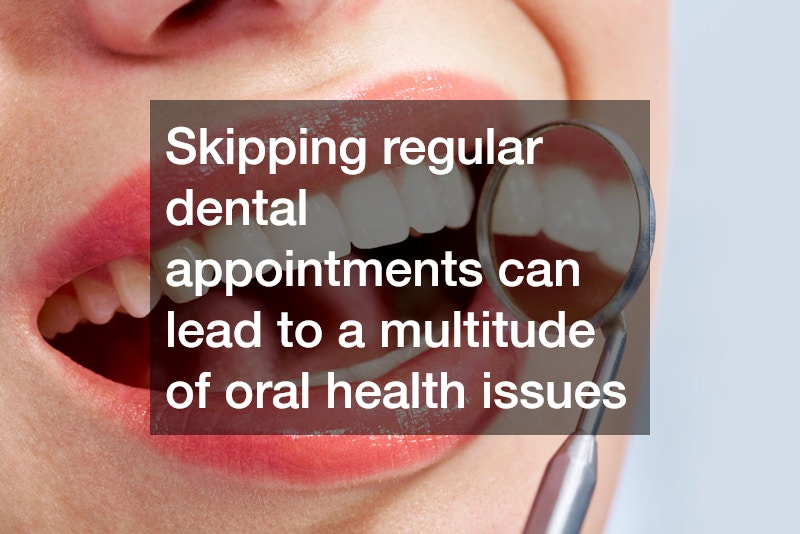
Skipping regular dental appointments can lead to a multitude of oral health issues, some of which might be irreversible. Without professional cleanings and examinations, plaque and tartar can accumulate, leading to cavities and gum disease. Gum disease, if left untreated, can progress to periodontitis, a more severe condition that could result in tooth loss. Moreover, oral health issues are not isolated; they can contribute to or exacerbate other health problems, such as heart disease, diabetes, and stroke, showcasing the interconnectedness of oral health and overall health.
Moreover, neglecting visits to the dentist can result in the overlooking of potential early warning signs of oral cancers, which could have serious or even life-threatening consequences. Dentists are trained to spot the subtle signs of such conditions early, when treatment is most effective. Regular checkups also offer an opportunity to address issues like chronic bad breath or oral discomfort, which might be overlooked by the individual but noticed by a professional. Additionally, untreated oral infections or wounds could spread, leading to complications beyond the oral cavity. The systematic review during dental checkups serves as an early detection mechanism for various conditions.
Consistency in attending dental appointments also supports dental education about advantageous habits, emerging research, and new techniques. Patients who frequently skip their appointments might miss out on valuable information about proactive dental care methods or preventive services such as fluoride applications and sealants, which can significantly enhance oral health protection. Ignorance of one’s oral condition could foster negligence, exacerbating the situation until it reaches a critical point that requires emergency intervention. Hence, neglecting routine dental checkups often leads to detrimental consequences over time, underscoring the saying, “prevention is better than cure.”
How Can Regular Visits Improve Oral Health Routine?
Enhancing Daily Oral Hygiene Through Professional Advice
Regular visits to the dentist not only help maintain oral health but also significantly enhance the effectiveness of one’s daily oral hygiene routine. Dentists can provide personalized advice on brushing and flossing techniques, dietary recommendations, and new oral care products that might be beneficial based on the individual’s specific dental needs. Patients can benefit from targeted advice that improves their daily care strategies, facilitating a more thorough cleaning routine at home. As experts in oral health, dentists can recommend specific tools such as interdental brushes or water flossers that might better suit individual needs. This professional guidance is invaluable in optimizing personal care practices to maintain a healthy mouth.
Furthermore, regular visits help solidify a proactive approach to oral health rather than a reactive one. With consistent professional evaluations, patients receive timely updates about their oral health status, which helps in reinforcing positive hygiene habits. This sustainable habit develops a pattern of self-care and accountability, ensuring that minor issues do not escalate into serious problems. The reiteration and reinforcement of best practices underscore the importance of diligent daily oral care, ultimately leading to better overall health. Additionally, such interactions help demystify any misconceptions individuals may have about oral hygiene practices or dental health.
The confidence and peace of mind gained from knowing your oral health is monitored and in good shape cannot be overstated. Regular dental visits empower individuals to manage their health knowledgeably and constructively. They provide the opportunity for patients to discuss any dental concerns they have and receive guided support directly from professionals equipped to help. The ongoing relationship with a dentist also fosters trust, making it easier to address any emerging issues candidly before they evolve into severe complications. Therefore, regular dental appointments are crucial to enhancing and maintaining effective oral health routines.
The importance of regular dental visits cannot be overstated for maintaining optimal dental health. By following recommended checkup frequencies and heeding professional advice, individuals can prevent minor issues from turning into major health complications. Regular dental visits serve as a valuable tool for detecting potential issues early, preserving oral health, and improving one’s overall quality of life. They foster an environment of continual learning and adaptation, helping to refine personal oral care practices for better hygiene. Ultimately, prioritizing these appointments represents a proactive, preventative approach to healthcare—one that supports both oral well-being and overall health.