Remaining in one’s own home and community while growing older is the overwhelming preference for modern seniors, with roughly eight in ten adults expressing a desire to age in place rather than transition to an institutional facility. Staying in a familiar environment preserves autonomy, maintains cherished neighborhood connections, and promotes emotional resilience. However, translating that desire into a safe, sustainable reality requires far more than occasional check-ins from family members. As individuals age, health profiles naturally grow more layered, often involving multiple chronic conditions, shifting mobility levels, complex medication regimens, and preventive screenings across entirely different medical specialties.
When clinical specialists operate in isolated silos without a unified communication strategy, family caregivers are often forced into the exhausting role of untrained medical project managers. Missed follow-ups, conflicting prescriptions, unaddressed nutritional barriers, and preventable emergency room visits frequently result from fragmented oversight rather than a lack of effort. Building a structured, multidisciplinary care plan bridges the gap between daily household routines, specialized outpatient medicine, and long-term legal advocacy—giving aging adults the coordinated safety net they need to thrive independently at home.
- 1. Conduct a Baseline Assessment to Match Daily Support with Medical Needs
- 2. Establish a Centralized Communication Hub for Routine and Preventive Care
- 3. Prioritize Cardiovascular Circulation and Musculoskeletal Mobility Protocols
- 4. Integrate Comprehensive Oral Health into Systemic Chronic Disease Management
- 5. Address Bite Alignment and Routine Dermatological Screenings to Prevent Silent Complications
- 6. Secure Legal Protections, Advance Directives, and Benefit Eligibility Early
- Bringing the Whole Care Ecosystem Together
1. Conduct a Baseline Assessment to Match Daily Support with Medical Needs
Effective care coordination begins with an honest, structured evaluation of what an older adult can manage independently versus where targeted assistance is necessary. Families often fall into the trap of either waiting until a medical crisis forces hasty decisions or hiring support that does not match the actual clinical picture. Conducting a comprehensive baseline assessment prevents both under-supporting a vulnerable loved one and over-medicalizing a household that primarily needs practical daily help.
Start by evaluating two distinct categories of daily functioning: Activities of Daily Living (ADLs) and Instrumental Activities of Daily Living (IADLs). ADLs encompass fundamental self-care tasks such as bathing, dressing, grooming, toileting, transferring from bed to chair, and eating. IADLs cover the complex organizational tasks required to live independently, including grocery shopping, meal preparation, housekeeping, transportation to appointments, managing finances, and adhering to medication schedules. Walking through the home room by room while observing these routines reveals subtle friction points—such as difficulty stepping over a high bathtub lip, expired food in the refrigerator, or pill organizers that remain full at the end of the week. Call a disability legal professional for legal disabilty support.
Once functional gaps are documented, families can assemble the right blend of non-medical and clinical personnel. Understanding the distinction between custodial support and skilled medical intervention ensures smooth staffing and proper insurance utilization:
-
Non-medical daily assistance: Partnering with a reputable local home care agency provides trained aides who assist with personal hygiene, meal preparation, light housekeeping, safe mobility around the house, and meaningful companionship. These caregivers bring structure and social engagement to the week, reducing the isolation that frequently accelerates cognitive and physical decline.
-
Physician-ordered clinical care: When an older adult is recovering from surgery, managing complex chronic illnesses, or experiencing acute mobility setbacks, a licensed home health care service delivers skilled nursing, physical therapy, occupational therapy, and wound management directly in the residence. Because clinical visits are typically intermittent and goal-oriented, combining skilled clinicians with ongoing custodial aides creates continuous coverage.
-
Shared household documentation: Establish a centralized care binder or secure digital log in a visible location so visiting nurses, daily aides, and family members record vital signs, fluid intake, bowel habits, sleep quality, and mood shifts after every shift.
2. Establish a Centralized Communication Hub for Routine and Preventive Care
Even the most dedicated team of specialists cannot collaborate effectively if clinical notes remain trapped inside incompatible electronic health record systems. When a cardiologist adjusts a diuretic, a primary care physician prescribes a new blood pressure medication, and a physical therapist introduces balance exercises, every member of the care ecosystem needs visibility into those changes. Creating a centralized communication hub turns disconnected appointments into a synchronized health strategy.
Designate a single primary care clinician—ideally a geriatrician or an internal medicine physician experienced in complex elder care—to serve as the clinical quarterback. Request proxy access to every specialist’s patient portal so a designated family advocate can download visit summaries, laboratory results, and updated medication lists immediately after each appointment. Maintain a master one-page health profile that travels to every clinic visit and stays inside the home care binder. This document should list all active diagnoses, allergies, surgical history, baseline vital signs, emergency contacts, and every prescription, over-the-counter drug, and herbal supplement with exact dosages and prescribing doctors.
Daily caregivers play an indispensable role in feeding real-time observations back into this clinical hub. Because professionals providing in home care spend hours alongside the older adult each week, they are uniquely positioned to spot subtle physiological shifts long before a scheduled doctor’s appointment. Equip aides and family members with a clear escalation protocol so minor issues are addressed early:
-
Track early warning indicators: Train daily support staff to log and report sudden ankle swelling, unexplained weight gain over forty-eight hours, new confusion or agitation, changes in gait or balance, persistent coughs, or sudden loss of appetite.
-
Host quarterly care-team huddles: Schedule a fifteen-minute telehealth conference every three months involving the primary care clinician, a clinical pharmacist, the family care coordinator, and key home support leads to reconcile medications, eliminate duplicate therapies, and align upcoming preventive goals.
-
Standardize hospital-to-home transitions: If an emergency room visit or inpatient stay occurs, insist on a written discharge medication reconciliation before leaving the facility, and share that summary with every outpatient provider within twenty-four hours.
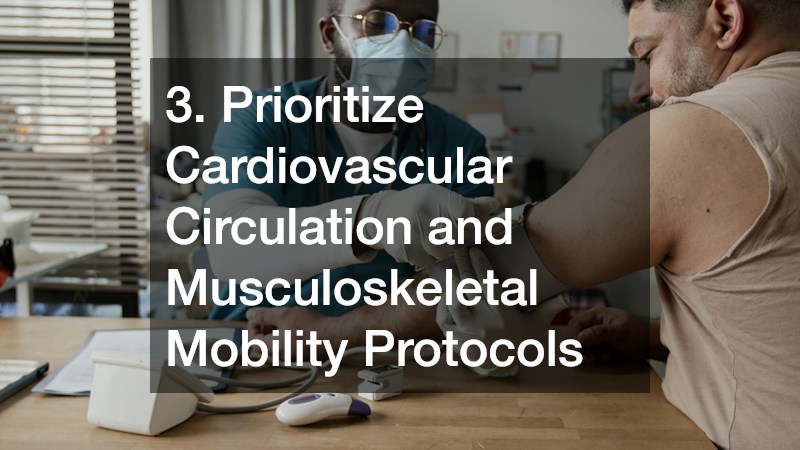
3. Prioritize Cardiovascular Circulation and Musculoskeletal Mobility Protocols
Sustaining safe mobility is the cornerstone of aging in place; once an older adult loses the ability to walk comfortably or transfer safely, the risk of falls, pressure injuries, and institutional placement rises sharply. Two physiological systems—peripheral circulation and musculoskeletal alignment—directly govern day-to-day stamina and balance, yet both are frequently sidelined until pain or skin breakdown becomes severe.
Impaired blood flow in the lower extremities is exceptionally common among older adults, particularly those living with hypertension, high cholesterol, diabetes, or a history of smoking. Peripheral artery disease and chronic venous insufficiency can cause aching calves during short walks, persistent leg swelling, skin discoloration, and slow-healing foot wounds that threaten independence. Scheduling periodic evaluations with a vascular doctor allows clinicians to perform non-invasive ankle-brachial index screenings and duplex ultrasounds to assess arterial flow and venous valve function before ulcers develop. At home, caregivers should inspect the feet and lower legs daily during bathing or sock changes, encourage prescribed leg elevation intervals, and ensure medical-grade compression stockings are applied each morning properly if ordered.
Simultaneously, age-related spinal stiffness, osteoarthritis, and postural shifts can alter a senior’s center of gravity and trigger compensatory muscle tension. Integrating conservative, gentle musculoskeletal support helps older adults move with less stiffness and greater confidence:
-
Incorporate age-adapted spinal and joint care: Consulting a practitioner trained in geriatric techniques for a gentle, low-force chiropractic adjustment can improve joint range of motion, relieve mechanical lower-back or neck discomfort, and reduce reliance on systemic pain medications that carry sedation or fall risks.
-
Reinforce physical therapy protocols daily: Ask visiting physical therapists to demonstrate safe transfer mechanics, gait-belt usage, and simple seated or standing balance exercises so non-clinical aides can safely cue those movements throughout the week.
-
Audit the walking environment continuously: Remove throw rugs, secure electrical cords along baseboards, install motion-activated nightlights between the bedroom and bathroom, and ensure footwear features firm heel counters and slip-resistant soles.
4. Integrate Comprehensive Oral Health into Systemic Chronic Disease Management
Oral health is one of the most neglected pillars of geriatric care planning, often treated as an isolated cosmetic concern rather than an essential component of internal medicine. In reality, clinical research consistently demonstrates strong bidirectional links between periodontal inflammation and systemic health in older adults. Oral bacteria aspirated into the lungs are a leading trigger of pneumonia in frail seniors, while chronic gum disease complicates blood sugar regulation in diabetes and contributes to systemic vascular inflammation.
As dexterity declines due to arthritis, tremor, or stroke recovery, maintaining thorough twice-daily oral hygiene becomes mechanically difficult. Dry mouth—a ubiquitous side effect of blood pressure, bladder, and mood medications—further accelerates tooth decay and mucosal irritation by stripping away protective saliva. Care coordinators should build preventive dentistry directly into the annual medical calendar rather than waiting for a toothache to force an urgent extraction. Many communities now offer mobile dental hygienists and geriatric-focused clinics equipped with wheelchair-accessible suites and longer appointment slots tailored to older patients.
When an older adult relies on restorative prosthetics to chew comfortably, specialized daily upkeep is critical to preventing malnutrition and unintentional weight loss:
-
Adapt daily hygiene tools for limited grip: Replace standard manual toothbrushes with wide-handled electric models, introduce water flossers for easier interdental cleaning, and ask the dental team about high-fluoride prescription toothpastes or moisturizing oral rinses for medication-induced dry mouth.
-
Maintain fixed and removable restorations meticulously: Whether a loved one wears partial dentures or has a permanent dental implant, caregivers must clean around abutments, crowns, and gumlines every evening using non-abrasive brushes and soft picks to prevent peri-implant inflammation or tissue sores.
-
Monitor subtle signs of chewing discomfort: Watch for behavioral clues during meals—such as pocketing food on one side of the mouth, avoiding fibrous proteins and fresh produce, or sudden irritability at mealtimes—which often signal loose restorations or underlying gum tenderness rather than simple pickiness.
5. Address Bite Alignment and Routine Dermatological Screenings to Prevent Silent Complications
Beyond routine cleanings and basic checkups, two specialized preventive areas deserve deliberate space in an aging adult’s multidisciplinary roadmap: structural bite stability and regular skin surveillance. Because changes in both areas progress gradually and rarely cause acute pain in their earliest stages, proactive monitoring prevents complex, invasive interventions later in life.
Over decades of wear, tooth shifting, bone resorption, or missing molars can alter how the upper and lower jaws meet. Malocclusion does not merely affect appearance; an uneven bite places chronic strain on the temporomandibular joints, triggers tension headaches, accelerates enamel fractures, and diminishes chewing efficiency—forcing older adults toward softer, carbohydrate-heavy diets lacking vital protein and micronutrients. Evaluating structural alignment with an orthodontist experienced in adult and geriatric care can clarify whether subtle interventions, such as clear aligner therapy or targeted bite stabilization splints, will protect remaining teeth, ease jaw fatigue, and preserve clear speech and comfortable eating.
At the same time, cumulative ultraviolet exposure across seventy or eighty years makes older adults the highest-risk demographic for serious skin cancers. Because seniors may struggle to inspect their own backs, scalps, or lower legs due to limited flexibility or declining vision, integrating systematic skin checks into existing personal care routines is an effortless, high-impact safeguard:
-
Conduct monthly head-to-toe skin scans: Train family caregivers and daily aides to observe the skin during bathing or dressing, paying close attention to frequently missed zones including the scalp, behind the ears, the neck, the upper back, and the soles of the feet.
-
Apply the ABCDE assessment framework: Document and photograph any mole or pigmented spot showing Asymmetry, irregular Borders, uneven Color variations, a Diameter larger than a pencil eraser, or Evolving size, shape, or bleeding—hallmark warning signs of melanoma that warrant prompt dermatological evaluation.
6. Secure Legal Protections, Advance Directives, and Benefit Eligibility Early
A comprehensive clinical and home-support blueprint can grind to a halt during a medical emergency if no one holds clear legal authority to communicate with physicians, review medical records, or manage care-related finances. Integrating legal and financial planning alongside medical coordination protects the older adult’s autonomy while sparing families from courtroom delays and preventable out-of-pocket expenses.
Every aging-in-place care plan should include a dedicated legal folder stored alongside the medical binder, with digital copies uploaded to primary healthcare portals.
Bringing the Whole Care Ecosystem Together
Coordinating healthcare for an aging adult at home does not require family members to become medical experts; it requires building a reliable structure where every professional contributes their piece to a shared picture. When daily household support, primary care oversight, specialized preventive medicine, and proactive legal planning operate in harmony, small health fluctuations are caught early, chronic conditions remain stable, and hospital readmissions drop dramatically.
Begin this week with one manageable step: gather every active prescription bottle onto the kitchen table, compile a single-page master provider and medication list, and schedule a focused care-alignment conversation with your loved one’s primary physician. Incremental organization today builds the resilience, dignity, and peace of mind that make aging at home truly sustainable.