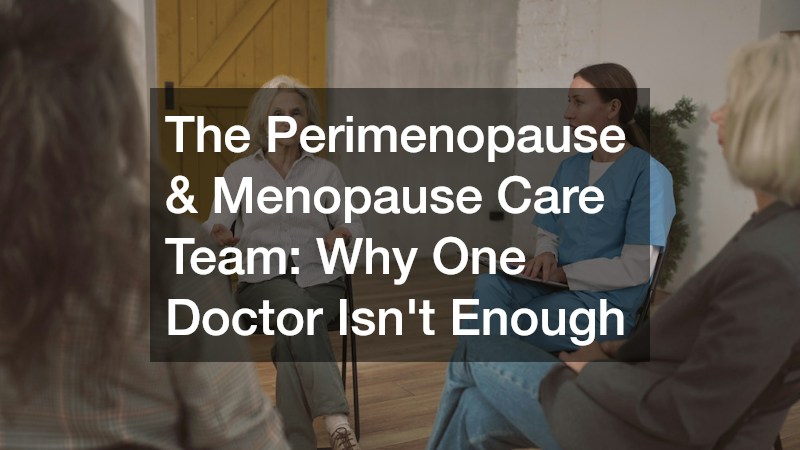
The transition into perimenopause and menopause represents a dynamic physiological chapter in adult life. For decades, routine healthcare treated this phase as an isolated gynecological event. A woman might schedule an annual pelvic exam, mention irregular cycles or hot flashes, and leave with either reassurance that aging is natural or a standard prescription. Yet as research expands, this narrow framework proves inadequate. Declining ovarian hormones touch virtually every organ system, from brain chemistry and bone density to skin elasticity and ocular moisture.
Because hormone receptors exist throughout the body, declining levels do not produce a single category of complaints. Patients often experience an unpredictable cascade of symptoms that cross traditional medical boundaries. Vasomotor instability, night sweats, and erratic sleep make daily routines exhausting. When individuals consult a single doctor, visits are restricted to a brief fifteen-minute window. That abbreviated timeframe rarely allows a clinician to examine how systemic endocrine shifts disrupt daily energy and cognitive performance.
Navigating this chapter requires an understanding of how evidence-based hormone therapy fits into a broader health journey. When prescribed thoughtfully by an experienced provider, supplemental hormones can stabilize vasomotor swings, protect bone density, and ease cardiovascular strain. However, medication alone cannot realign pelvic posture, correct sudden vision changes, or reverse metabolic resistance. True comfort demands a collaborative team of dedicated professionals who each address a distinct piece of the physiological puzzle.
- Disentangling Endocrine Overlap and Fatigue
- Evaluating Neurochemical and Mood Fluctuations
- Clinical Approaches for Emotional Resilience
- Overcoming Stubborn Metabolic Shifts
- Grounding Daily Habits in Root-Cause Care
- Restoring Biomechanical Alignment and Joint Ease
- Addressing Chronic Soft Tissue Tension
- Protecting Ocular Comfort and Clarity
- Rebuilding Dermal Integrity and Cellular Health
- Coordinated Care as the New Standard of Midlife Health
Disentangling Endocrine Overlap and Fatigue
As reproductive hormone production fluctuates, the endocrine system frequently experiences secondary disruptions that complicate diagnostic clarity. The thyroid gland maintains an intricate relationship with circulating estrogens. When ovarian output becomes erratic during perimenopause, existing thyroid vulnerabilities often surface for the first time. Many women contend with unexplained exhaustion, dry hair, brittle nails, cold sensitivity, and mental sluggishness. Because these complaints mirror common menopausal changes, an underactive thyroid can easily remain undetected during standard evaluations.
Evaluating thyroid function requires more than standard thyroid-stimulating hormone tests. Comprehensive laboratory panels measuring free thyroxine, free triiodothyronine, and thyroid antibodies help clinicians identify subtle autoimmune processes like Hashimoto’s thyroiditis. When laboratory values point toward subclinical hypothyroid function, targeted thyroid treatments restore cellular metabolism and energy production.
Working with a specialist who understands the interplay between ovarian decline and glandular slowdown prevents women from assuming fatigue is an inevitable consequence of aging. When thyroid balance is addressed alongside reproductive hormones, patients experience noticeable improvements in morning alertness, temperature regulation, and overall vitality. Establishing this baseline allows subsequent wellness strategies to take root effectively.
Evaluating Neurochemical and Mood Fluctuations

The neurological impact of menopausal transitions is often the most distressing, yet least discussed, aspect of midlife care. Estrogen serves as a powerful neurosteroid that promotes synaptic plasticity, supports glucose metabolism within cerebral tissue, and modulates vital neurotransmitters like serotonin and dopamine. When estrogen levels plummet and spike unpredictably, the brain struggles to maintain chemical equilibrium. Women who have never experienced emotional crises may suddenly grapple with panic attacks, brain fog, irritability, and weeping spells.
Standard medical appointments often categorize these psychological episodes as stress-induced burnout or situational anxiety. While lifestyle modifications and talk therapy offer meaningful support, severe neurochemical shifts often demand the clinical expertise of medical psychiatrists. These physicians understand the delicate interface between changing endocrine levels and brain physiology. They possess the clinical training necessary to determine whether mood swings stem from primary psychiatric conditions or from endocrine-driven neurochemical depletion.
By conducting thorough evaluations that factor in personal history, sleep disruptions, and hormonal stages, these specialists recommend targeted pharmacologic interventions. Adjusting neurochemical signaling through precise medication management prevents individuals from feeling alienated from their own minds. Specialized psychiatric oversight ensures emotional vulnerability is treated with the same medical precision as physical discomfort.
Clinical Approaches for Emotional Resilience
When persistent feelings of hopelessness, emotional numbness, and deep lethargy settle in during perimenopause, standard pep talks are completely ineffective. Midlife depression is physiologically complex and uniquely resistant to generic advice. Sleep fragmentation caused by persistent nocturnal vasomotor episodes further degrades cognitive resilience, creating a relentless loop of mental distress and physical exhaustion. Effective depression treatment during this transitional phase must account for both biological vulnerability and environmental load.
An evidence-based therapeutic strategy combines medical management with cognitive restructuring, lifestyle adjustments, and restorative sleep protocols. Clinical interventions might include medications that elevate neurotrophic factors and restore synaptic connectivity, alongside behavioral techniques designed to manage cognitive fog. When providers acknowledge that midlife affective disorders are grounded in genuine biological changes, the heavy burden of self-blame lifts from the patient.
Comprehensive care also involves monitoring how treatment plans interact with physical changes. Medications that support mood balance must be chosen carefully to avoid compounding metabolic slowdowns or interfering with sleep quality. By pursuing a multi-faceted approach to mood stabilization, women regain a sense of agency, calm, and focus, building the emotional bandwidth needed to navigate daily life with confidence.
Overcoming Stubborn Metabolic Shifts

Metabolic changes represent another frequent source of confusion and frustration during the transition through menopause. Women who maintained a stable weight for decades often find usual exercise and eating habits suddenly lead to unexpected midsection weight gain. This phenomenon is not merely a matter of willpower or caloric intake. The decline of protective estrogen fundamentally alters how the body stores adipose tissue, leading to increased visceral fat deposition, diminished insulin sensitivity, and a natural reduction in lean muscle mass.
When traditional diets fail to produce meaningful results, consulting a physician who specializes in medical weight loss provides a scientific, sustainable path forward. Clinical programs evaluate metabolic rate, fasting insulin levels, lipid fractions, and body composition rather than relying solely on the bathroom scale. By utilizing modern metabolic medications, personalized nutrition, and targeted resistance training, physicians help individuals preserve lean muscle while targeting stubborn abdominal fat.
Supervised metabolic management protects long-term health, reducing the risk of developing type 2 diabetes and cardiovascular strain. Instead of subjecting themselves to restrictive fad diets that cause rebound weight gain, patients receive compassionate, medically sound guidance tailored specifically to their changing biology.
Grounding Daily Habits in Root-Cause Care
While pharmaceutical therapies and targeted prescriptions play an essential role in midlife care, sustainable wellness also requires addressing the foundations of daily living. Modern medical environments often separate organ systems into rigid silos, treating symptoms in isolation while overlooking the human body as an interconnected whole. This is where the principles of holistic medicine offer a powerful, unifying perspective for the menopausal care team.
A practitioner grounded in integrative modalities looks closely at systemic factors such as gut microbiome integrity, micronutrient deficiencies, chronic inflammation, and circadian rhythm alignment. Chronic stress elevates cortisol, which in turn exacerbates vasomotor symptoms, worsens sleep disturbances, and disrupts glucose regulation. By utilizing targeted botanical extracts, whole-food nutrition, adaptogenic herbs, and mindfulness practices, functional providers help calm an overtaxed nervous system.
This comprehensive approach also encourages patients to examine environmental exposures, alcohol consumption, and movement patterns. Small, intentional modifications to everyday routines substantially enhance how the body metabolizes hormones and responds to clinical treatments. When whole-person practices are woven into standard medical care, individuals gain practical tools that foster lasting resilience.
Restoring Biomechanical Alignment and Joint Ease
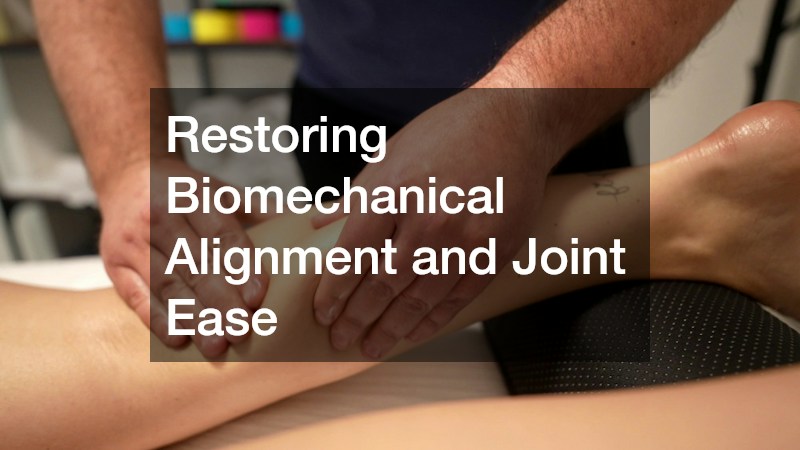
The structural alterations that occur during perimenopause and post-menopause are frequently overlooked until acute discomfort develops. Estrogen plays a critical, protective role in connective tissue maintenance, preserving joint lubrication, tendon elasticity, and ligamentous firmness. As estrogen concentrations drop, many individuals notice sudden stiffness in their hips, shoulders, and lower spine. Concurrently, shifts in bone mineral density alter posture, while changes in core strength and pelvic floor stability affect daily gait and biomechanics.
A skilled chiropractor provides essential structural support during this bodily transformation. Gentle spinal adjustments, pelvic leveling, and joint mobilization techniques help relieve nerve compression, reduce localized inflammation, and restore range of motion. When the pelvis and sacrum shift from ligament changes, resulting muscular compensations produce lower back pain, sciatica, and pelvic discomfort.
Regular chiropractic evaluations also assist in identifying postural compensation patterns before they evolve into chronic degenerative conditions. By restoring balance to the spine and peripheral joints, these biomechanical adjustments improve mobility, making it much easier for women to participate in regular weight-bearing exercises that preserve bone mass. Aligning the skeletal frame ensures that physical movement remains comfortable, fluid, and pain-free.
Addressing Chronic Soft Tissue Tension
Skeletal alignment must always be supported by balanced soft tissue. Chronic emotional stress, nocturnal awakenings, and changing connective tissue biochemistry frequently cause deep muscular hypertonicity. Women often carry this tension in their neck, shoulders, upper back, and gluteal muscles. When fascial layers become restricted and trigger points develop, local blood circulation diminishes, leading to chronic aches, tension headaches, and persistent physical fatigue.
Collaborating with a licensed massage therapist introduces targeted myofascial release and neuromuscular therapy into the rehabilitation plan. Skilled manual manipulation softens rigid muscle fibers, disperses metabolic waste products from congested tissues, and enhances venous and lymphatic return throughout the body. Beyond mechanical soft tissue relief, therapeutic bodywork exerts a powerful downregulating effect on an agitated central nervous system.
The soothing touch of therapeutic bodywork stimulates the vagus nerve and encourages the release of natural endorphins and oxytocin. This physiological shift promotes deep relaxation, lowering resting heart rates and counteracting the sustained fight-or-flight state that accompanies hormonal turbulence. When muscular pain subsides and the nervous system settles, restorative sleep becomes much easier to achieve, accelerating healing.
Protecting Ocular Comfort and Clarity

Sensory organs are equally vulnerable to midlife hormonal shifts, yet changes in vision are rarely connected to menopausal transitions by patients. Ovarian hormones play a fundamental role in maintaining the health of the ocular surface, tear production, and corneal flexibility. Estrogen and androgen receptors line the lacrimal glands, meibomian glands, and conjunctival tissues. When hormone levels decline, tear film quality deteriorates rapidly, producing dry eye syndrome, burning sensations, and fluctuating visual clarity.
Furthermore, changing tissue hydration can alter the curvature of the cornea, causing sudden shifts in refractive error that make existing eyeglasses feel inadequate. Visiting an experienced optician ensures that these specific visual complaints are thoroughly assessed and properly corrected. An eye care specialist can recommend customized lens designs, such as modern progressive lenses that ease transitions between digital screens and distance vision, as well as specialized anti-reflective and blue-light filtration coatings.
An attentive specialist can also guide patients toward targeted dry eye therapies, including warm compress regimens, lipid-based lubricating drops, and moisture-retaining eyewear. Protecting visual acuity eliminates daily eye fatigue and tension headaches. Ensuring effortless vision allows individuals to carry out professional tasks and recreational activities without unnecessary strain.
Rebuilding Dermal Integrity and Cellular Health
The visible changes that accompany the menopausal transition can profoundly affect personal confidence and self-image. Estrogen is directly responsible for stimulating dermal fibroblasts, which produce collagen, elastin, and hyaluronic acid. During the first few years of menopause, skin can lose up to thirty percent of its structural collagen, leading to rapid thinning, increased epidermal fragility, accelerated wrinkle formation, and deep skin dryness. Concurrently, shifts in circulating androgens can trigger adult acne or diffuse hair shedding on the scalp.
Incorporating the clinical aesthetic services of a modern medical spa provides advanced solutions that exceed the capabilities of ordinary over-the-counter skincare. Under physician supervision, aesthetic practitioners utilize medical-grade chemical peels, radiofrequency microneedling, platelet-rich plasma treatments, and targeted laser resurfacing to stimulate dormant cellular collagen production. These clinical modalities rebuild the structural scaffolding of the dermal matrix, restoring firmness, elasticity, and hydration.
These wellness centers also offer supportive therapies such as lymphatic drainage, scalp treatments, and red-light photobiomodulation. Addressing physical changes in a clinical setting helps women feel proactive about self-care. Reclaiming vibrant skin and feeling comfortable in one’s personal appearance plays an undeniable role in sustaining positive psychological well-being throughout midlife.
Coordinated Care as the New Standard of Midlife Health
Creating a cohesive healthcare team transforms the menopausal transition from an overwhelming ordeal into an empowering, proactive stage of life. No single clinician, regardless of skill or dedication, possesses the diverse diagnostic tools and specialized techniques required to manage every facet of this systemic transformation. Relying on an isolated provider often leads to fragmented advice, dismissed symptoms, and prolonged frustration.
When medical endocrinology, psychological support, structural therapy, nutritional guidance, and sensory care function in harmony, every symptom finds a clear, coordinated solution. Women deserve a comprehensive network of practitioners who communicate effectively, validate personal experiences, and tailor interventions to their unique biological needs. By stepping beyond the conventional single-doctor model, patients reclaim vitality, protect long-term health, and navigate the years ahead with strength, dignity, and radiant well-being.