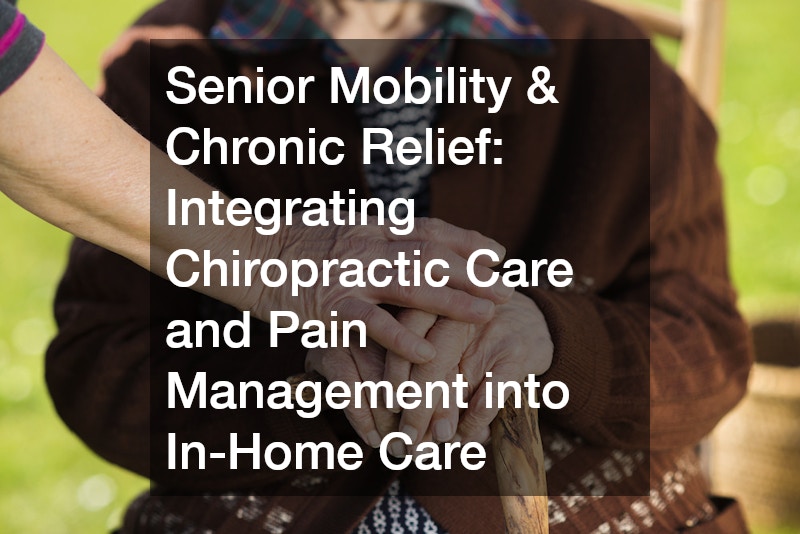
Aging introduces significant physical changes that affect how the human body moves, recovers, and maintains overall stability. For millions of older adults, the gradual loss of joint flexibility, spinal degeneration, and reduced muscle tone make daily tasks increasingly difficult. Simple actions like getting out of bed, walking across a room, climbing stairs, or preparing a meal can turn into major physical challenges over time. When functional mobility declines, personal independence often follows, leading many families to look for supportive medical and non-medical solutions directly within the home setting.
In-home wellness strategies have evolved considerably over recent years to meet these complex needs. Rather than relying solely on frequent, exhausting trips to outpatient clinics, modern healthcare models emphasize bringing clinical expertise directly into the residential environment. Integrating skilled professional support through home health care enables seniors to receive personalized medical oversight, physical rehabilitation guidance, and functional assistance without leaving their familiar surroundings. This coordinated approach reduces unnecessary physical stress, conserves vital energy, and lowers the risk of accidental falls during travel to external facilities.
Movement limitations rarely occur in isolation during the aging process. They are usually accompanied by chronic musculoskeletal discomfort that compounds over months or years. Conditions such as osteoarthritis, degenerative disc disease, lumbar spinal stenosis, and general spinal misalignment frequently limit the range of motion. When joints become stiff and painful, individuals naturally restrict their movements to avoid discomfort. Unfortunately, this avoidance creates a negative feedback loop: decreased activity leads to muscle atrophy, joint contractures, balance degradation, and further mobility loss.
Breaking this restrictive cycle requires a proactive management approach centered on restored body mechanics and ongoing daily support. By addressing the root causes of movement restriction early, healthcare professionals help seniors retain functional ability and maintain personal dignity. Preserving natural movement patterns improves safety, encourages regular physical activity, and supports overall physiological health, demonstrating that aging does not have to mean accepting severe physical restriction or a complete loss of vitality.
Table of Contents
- The Evolving Role of In-Home Pain Management
- How Gentle Chiropractic Interventions Support Older Adults
- Holistic System Support and Endocrine Health for Seniors
- Transitioning Between Home Care and Residential Living Solutions
- Comprehensive Care Coordination and Family Support Systems
- Future Preparedness and Complete Life Course Planning
- Honoring Legacy and Ensuring Lasting Comfort
The Evolving Role of In-Home Pain Management
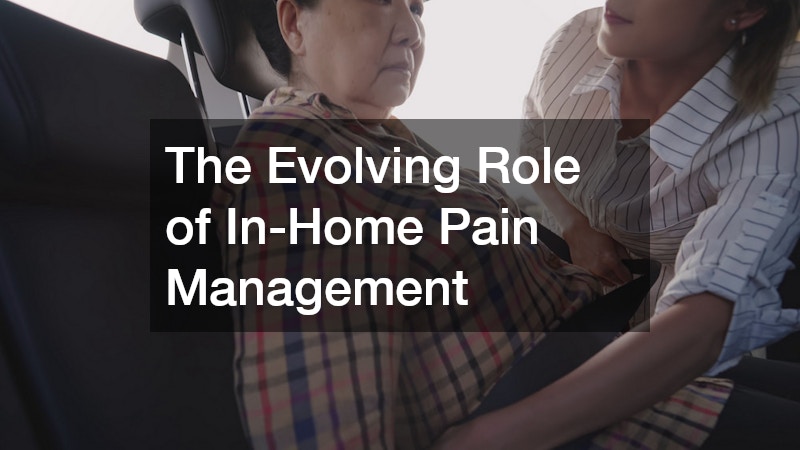
Managing persistent bodily discomfort in older age demands far more than brief, temporary relief measures. Chronic pain alters neurological signaling, disrupts healthy sleep patterns, restricts social participation, and frequently contributes to elevated levels of anxiety and low mood. Historically, routine pharmacological prescription served as the primary answer to late-life physical discomfort. While pain medications remain useful for acute injuries or temporary post-surgical recovery, long-term reliance on heavy oral analgesics carries notable health risks for older adults, including drowsiness, cognitive clouding, digestive complications, organ stress, and elevated fall risks.
Modern geriatric health strategies strongly favor multi-modal care models that combine targeted clinical treatments with gentle non-pharmacological therapies. Establishing a structured regimen for pain management helps address soft tissue tightness, localized inflammation, and joint irritation without over-relying on systemic prescription medications. Non-invasive approaches—such as targeted topical applications, heat and cold therapies, structured stretching routines, and neuromuscular re-education—allow older individuals to address persistent discomfort while maintaining essential mental clarity and physical safety.
The practical execution of these multi-modal routines relies heavily on daily coordination within the home environment. Family members and professional support aides play a vital role in observing subtle changes in comfort levels, applying non-drug relief techniques, and keeping seniors consistently engaged in prescribed exercise routines. A dedicated caregiver assists with daily movement protocols, monitors posture during sit-to-stand transfers, and ensures that therapeutic routines are performed safely and regularly.
When daily physical discomfort is kept within manageable limits, older adults demonstrate far greater willingness to participate in physical therapy and light domestic activities. This increased activity fosters cardiovascular health, preserves joint lubrication, and promotes positive emotional well-being, demonstrating that effective physical relief is foundational to enjoying a high quality of life throughout the senior years.
How Gentle Chiropractic Interventions Support Older Adults
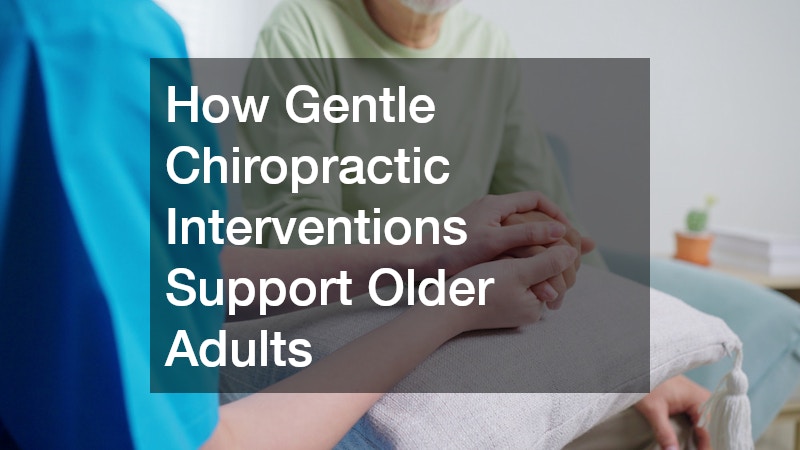
Spinal alignment and joint mobility play foundational roles in overall neuromuscular health and daily physical function. As individuals age, intervertebral discs lose hydration and height, spinal ligaments lose elasticity, and articular cartilage naturally thins out. These anatomical changes frequently lead to spinal nerve irritation, structural compensation, altered posture, and restricted gait patterns. Bringing specialized clinical alignment methods directly into the home setting offers a practical, effective solution for mobility-impaired individuals.
Consulting a licensed chiropractor who specializes in geriatric care provides targeted, non-invasive support for delicate musculoskeletal structures. Unlike traditional high-velocity adjustments designed for younger populations, gentle geriatric chiropractic techniques utilize low-force manual pressure, specialized mobilization instruments, and precise soft-tissue manipulation. These gentle methods focus on releasing joint restrictions, reducing pressure on sensitive spinal nerves, and restoring natural biomechanics without placing excessive mechanical stress on fragile bones or arthritic joints.
In-home chiropractic sessions are tailored specifically to the patient’s immediate physical capabilities, health history, and home environment. Portable equipment allows practitioners to perform thorough evaluations and safe treatments directly in the living room or bedside. Regular spinal and extremity mobilization helps improve proprioception—the nervous system’s internal awareness of joint position—which directly enhances dynamic balance and reduces the risk of dangerous falls.
For individuals who require higher levels of continuous care, these manual techniques complement broader institutional care plans. Seniors receiving assisted living services often benefit when visiting mobility specialists collaborate with resident care teams to maintain joint mobility. Restoring proper spinal alignment eases mechanical strain across the hips, knees, and ankles, allowing seniors to move with greater confidence, fluid movement, and safety.
Holistic System Support and Endocrine Health for Seniors
Structural health and physical mobility are deeply connected to underlying endocrine balance and systemic biochemistry. Hormonal production naturally declines as the human body ages, leading to lower levels of key chemical messengers that regulate muscle mass, bone density, metabolic energy, and tissue repair processes. When these endocrine signals drop significantly, older adults frequently experience progressive muscle weakness, increased joint stiffness, reduced exercise tolerance, and systemic inflammation that can amplify existing joint and spinal pain.
Understanding these biochemical changes allows clinicians to look beyond surface-level structural adjustments and address chemical imbalances that hinder physical recovery. Integrative healthcare providers may evaluate endocrine status to determine if targeted therapeutic support could benefit the patient’s overall vitality. Under strict medical evaluation and monitoring, individualized hormone therapy can assist in optimizing metabolic function, supporting soft tissue repair, and preserving bone mineral density in aging adults.
Maintaining strong bone density is particularly critical for aging individuals undergoing physical rehabilitation or mobility training. Fragile bones increase the risk of osteoporotic fractures, which can permanently impair mobility and compromise independence. When underlying endocrine health is supported, bodily tissues respond more effectively to manual physical therapies, home exercise routines, and joint mobilization techniques.
Furthermore, balanced chemical pathways help reduce systemic inflammatory markers throughout the body. Lower overall inflammation translates directly into reduced joint stiffness, improved sleep restorative cycles, and enhanced daily energy levels. By pairing internal biochemical optimization with hands-on physical care, healthcare teams create an optimal environment for older bodies to repair tissue, sustain strength, and preserve physical capabilities over extended periods.
Transitioning Between Home Care and Residential Living Solutions
As physical care needs evolve over time, families often face complex decisions regarding long-term care structures, safety modifications, and living environments. While many seniors express a strong desire to remain in their personal residences for as long as possible, progressive physical limitations, cognitive shifts, or complex medical needs may necessitate re-evaluating living arrangements. Assessing functional mobility, daily care requirements, and environmental risks helps families select the most appropriate setting for ongoing care.
For many older adults, moving into an assisted living community provides a balanced combination of personal independence and structured daily support. These residential communities feature accessible architectural design, round-the-clock safety monitoring, structured social opportunities, and tailored personal care programs. On-site staff members assist residents with essential activities of daily living, such as bathing, dressing, medication reminders, and nutritional meal preparation, removing physical burdens that might otherwise cause injury or physical exhaustion.
However, moving to a residential facility is not the only viable path for families seeking high-level care. Expanding and tailoring standard home health care services allows many seniors to age in place safely while receiving expert medical oversight. Skilled nurses, physical therapists, occupational therapists, and home health aides visit the residence on a customized schedule, delivering comprehensive clinical care while allowing the individual to remain in comfortable, familiar surroundings.
Determining the ideal care arrangement requires evaluating individual physical capabilities, home safety modifications, financial resources, and emotional well-being. Whether an individual chooses home-based care or a residential environment, the core objective remains consistent: preserving dignity, maximizing functional independence, and ensuring continuous access to appropriate healthcare support throughout the aging journey.
Comprehensive Care Coordination and Family Support Systems
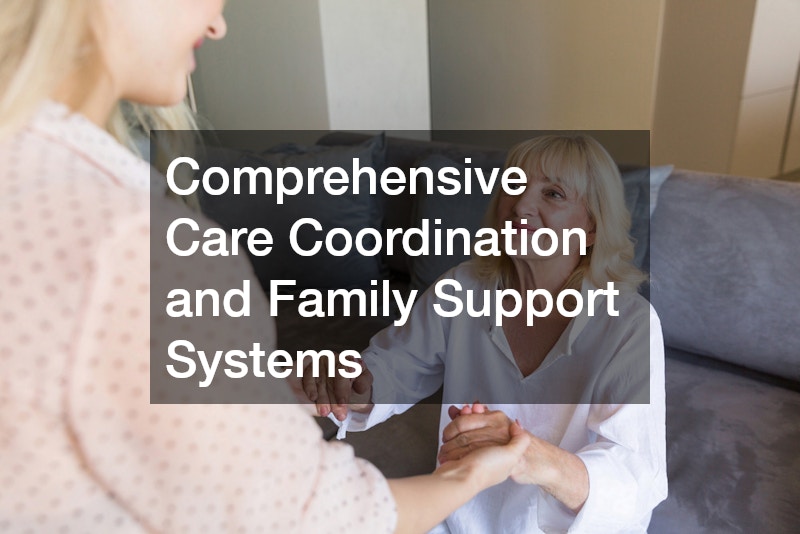
Delivering high-quality, comprehensive care to older adults requires clear communication and close collaboration among diverse healthcare providers and family support networks. Primary care physicians, physical therapists, clinical specialists, visiting nurses, and family members must operate as an integrated team to monitor physical health changes and adjust treatment protocols in real time.
Central to this collaborative framework is the primary caregiver, who observes daily changes in physical function, emotional health, and overall comfort levels. Because this individual spends considerable time with the senior, they are uniquely positioned to report subtle shifts, such as increased joint stiffness, reduced balance confidence, or side effects from medications. Their direct observations help visiting healthcare professionals refine treatment strategies promptly before minor physical issues develop into serious health events.
Integrated communication is particularly vital when managing chronic physical discomfort and structured mobility routines. Effective pain management relies on consistent tracking and open communication between home care personnel and medical providers. When visiting therapists or mobile practitioners who perform manual therapies, family members need clear guidance on supporting recommended daily exercises, encouraging proper posture, and managing adequate rest periods between clinical visits.
Furthermore, supporting the physical and emotional health of home care assistants is essential for maintaining a long-term care routine. Physical exertion from helping seniors stand, walk, or transfer can strain a helper’s own body over time. Educating family support teams on proper transfer techniques, body mechanics, and respite care options ensures that the care environment remains safe, supportive, and effective for everyone involved.
Future Preparedness and Complete Life Course Planning

Comprehensive senior care encompasses not only immediate medical support and physical rehabilitation, but also proactive long-term preparation for life’s final transitions. As seniors advance in age, engaging in thoughtful legal, financial, and personal planning brings lasting peace of mind to both the individual and their surrounding family members. Addressing sensitive topics early eliminates uncertainty, stress, and conflict during unexpected health changes or end-of-life events.
Advance planning involves documenting personal choices regarding healthcare directives, palliative care goals, and end-of-life arrangements. Discussing preferences regarding a future funeral service enables individuals to communicate their personal values, spiritual beliefs, and family traditions clearly. Pre-planning these arrangements relieves family members from the heavy emotional burden of making complex decisions during moments of acute grief and bereavement.
Part of comprehensive end-of-life planning includes making informed financial decisions regarding traditional burial choices, cemetery options, or cremation services. Families who research available options in advance can compare providers and select suitable caskets that fit both personal aesthetic preferences and family budgets without unnecessary pressure. Understanding consumer rights and direct purchasing options empowers families to make practical choices that align with their long-term financial goals.
Integrating end-of-life planning into broader elder care discussions ensures that every phase of an individual’s life course is managed with dignity and respect. When medical preferences, physical comfort strategies, and administrative details are organized systematically, families can focus on spending meaningful time together, confident that both current health needs and future wishes are fully addressed.
Honoring Legacy and Ensuring Lasting Comfort
Navigating the aging journey with confidence requires balancing physical health, emotional well-being, and meaningful personal relationships. By combining modern clinical expertise with gentle manual therapies, non-drug pain relief strategies, and personalized home support, families can help older adults maintain physical comfort and functional mobility throughout their golden years. Proactive physical care empowers seniors to remain active, engaged participants in their households and communities.
Creating a supportive environment that honors a senior’s physical independence and personal history lays the foundation for a lasting memorial of family love, dignity, and shared strength. When care plans address physical discomfort, promote safe movement, and respect individual choices, older adults experience greater comfort and fulfillment. Investing in holistic physical support today ensures a meaningful, comfortable, and dignified path forward for aging loved ones. Building a strong support network grounded in compassion and professional expertise ensures that every senior can age with safety, comfort, and peace of mind.