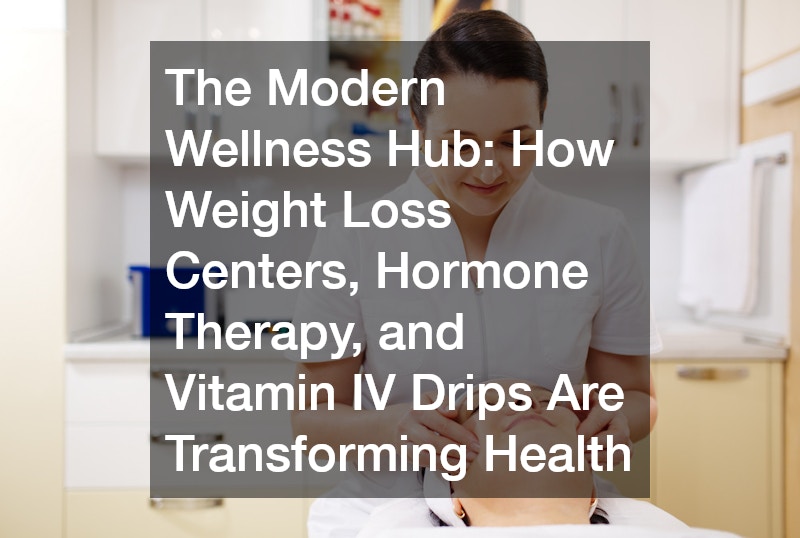
The landscape of modern medicine is shifting. No longer is the healthcare experience defined solely by sterile waiting rooms and reactive treatments for acute illnesses. Instead, a new era of proactive, integrated health has emerged. This movement focuses on the synergy between physical aesthetics, internal biochemistry, and mental resilience. Today, individuals are increasingly seeking out a specialized weight loss center not just to shed pounds, but to reclaim their metabolic health through data-driven strategies and personalized support. These facilities often move beyond simple calorie counting, incorporating genetic testing and body composition analysis to ensure that every patient understands the “why” behind their physical changes. By addressing the psychological barriers to weight management alongside the physiological ones, these centers provide a comprehensive roadmap for lasting transformation.
This transformation is driven by the realization that health is not a one-size-fits-all equation. Whether it is a professional seeking to optimize their cognitive performance or an athlete looking to speed up recovery, the demand for tailored interventions is at an all-time high. By combining traditional medical expertise with innovative wellness modalities, modern clinics are helping patients bridge the gap between “feeling fine” and “feeling exceptional.” This holistic approach ensures that every aspect of a person’s physiology is addressed, creating a foundation for long-term vitality that extends far beyond the surface level. It is about building a sustainable lifestyle that treats the body as a high-performance machine rather than a burden to be managed. The ultimate goal is to empower the individual with the tools necessary to maintain this peak state independently.
Table of Contents
- Restoring Balance Through Internal Optimization
- Rapid Recovery and the Power of Direct Nutrition
- Redefining Mental Health and Emotional Resilience
- Advanced Diagnostics and the Search for Answers
- The Intersection of Aesthetics and Confidence
- Navigating Career Paths in Modern Healthcare
- Sensory Health and the Importance of Connection
- A Future Defined by Longevity and Vitality
Restoring Balance Through Internal Optimization
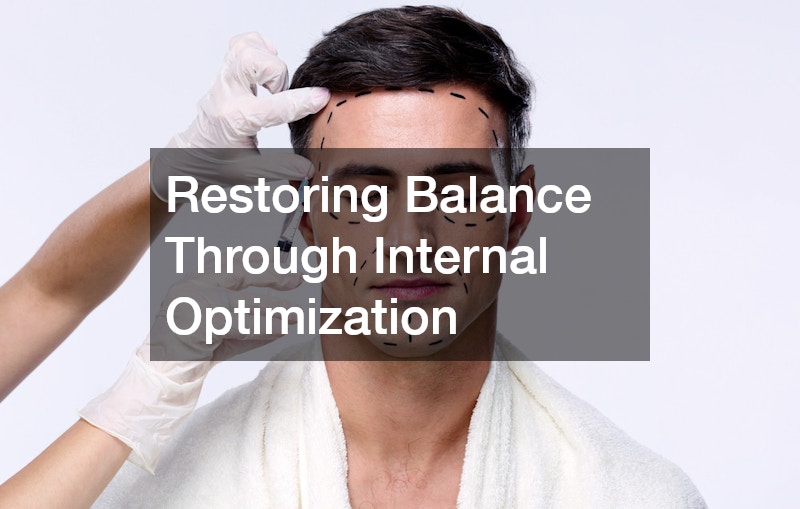
One of the most significant shifts in the wellness industry involves the management of the body’s chemical messengers. As people age, hormonal fluctuations can lead to fatigue, brain fog, and a decrease in muscle mass. To combat these symptoms, many are turning to hormone therapy as a way to restore equilibrium. By replenishing essential hormones to their optimal levels, patients often report a renewed sense of energy and a significant improvement in their overall quality of life. This process requires a deep dive into blood chemistry, looking at markers that standard annual checkups might overlook to find the precise balance needed for each unique individual. It is a delicate science that demands ongoing monitoring and adjustment to ensure that the body stays in its “Goldilocks zone” of performance.
This isn’t just about feeling younger; it is about biological efficiency. When hormones are in balance, the body’s various systems—from metabolism to sleep cycles—function with greater precision. This internal recalibration often serves as the missing piece of the puzzle for those who have struggled with stubborn weight or persistent mood swings despite a healthy lifestyle. When the internal environment is optimized, the body becomes more resilient to the stresses of modern life, allowing for a more active and engaged lifestyle. Patients find that their mental clarity returns, and the physical plateaus they once faced in the gym start to disappear as their biology begins to work for them instead of against them. This systematic approach ensures that every metabolic engine is firing on all cylinders, providing the stamina required for a demanding career and an active social life.
Rapid Recovery and the Power of Direct Nutrition
In the fast-paced world of professional and personal obligations, recovery time is a luxury. This has led to the rise of the vitamin IV drip as a staple in many wellness routines. Unlike oral supplements, which must pass through the digestive system and may lose potency along the way, intravenous therapy delivers nutrients directly into the bloodstream. This ensures maximum absorption and immediate availability for cellular repair and energy production. Many busy executives and travelers find that these treatments are the most efficient way to combat the cumulative effects of dehydration and nutritional depletion that often accompany a high-stress lifestyle.
Whether it is for rehydration after an intense period of travel or boosting the immune system during flu season, these infusions offer a targeted way to address nutritional gaps. The popularity of these treatments reflects a broader trend toward “biohacking”—the practice of using science and technology to influence the body’s performance. By providing the body with the exact building blocks it needs in a highly bioavailable format, these therapies help individuals maintain peak performance even when their schedules are demanding. The modern weight loss center frequently incorporates these drips to ensure patients stay nourished while they transition to new dietary habits, preventing the common fatigue associated with lifestyle changes. This ensures that the journey toward health is as comfortable and sustainable as possible, minimizing the “crash” often associated with major lifestyle overhauls.
Redefining Mental Health and Emotional Resilience
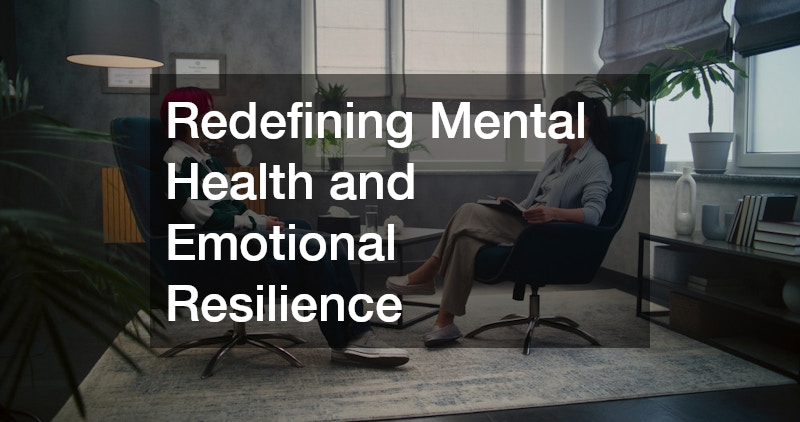
The integration of wellness and medicine is perhaps most evident in the field of mental health. The modern approach acknowledges that mental well-being is deeply connected to physical health. When traditional therapies are not enough, innovative clinics are exploring new frontiers. For instance, ketamine retreats have gained attention for their ability to provide breakthrough experiences for those struggling with treatment-resistant depression or chronic stress. These guided sessions offer a unique environment for neuroplasticity and emotional processing, often helping individuals break through mental barriers that have been present for years. The immersive nature of these retreats allows for a level of introspection that is rarely possible in a standard clinical setting.
Furthermore, the role of specialized medical professionals remains the cornerstone of mental health care. Board-certified psychiatrists are essential for navigating complex diagnoses and managing medication protocols that ensure stability and safety. The combination of cutting-edge therapeutic experiences and traditional psychiatric oversight creates a comprehensive safety net for patients. This dual approach allows for a more nuanced understanding of the mind-body connection, treating the root causes of distress rather than just the symptoms. It ensures that while patients explore new therapeutic avenues, they are grounded in clinical excellence and evidence-based safety standards. By bridging the gap between innovative pharmacology and compassionate talk therapy, modern mental health practices are providing more robust solutions for the modern mind’s challenges.
Advanced Diagnostics and the Search for Answers
Accurate diagnosis is the precursor to effective treatment. In the past, patients with claustrophobia or certain physical limitations often struggled with traditional imaging techniques. The introduction of the upright open MRI has revolutionized this aspect of the diagnostic process. By allowing patients to be scanned in a more natural, seated, or standing position, clinicians can get a better view of how the body handles weight and pressure, which is often crucial for identifying spinal issues or joint pain. This technology removes the anxiety of traditional tube-based machines while providing superior data on how the musculoskeletal system functions under gravity. It allows for dynamic imaging that captures the body in the positions where pain actually occurs.
These technological advancements are not just about comfort; they are about precision. When a physician can see exactly how a patient’s anatomy behaves under the stress of gravity, they can develop a much more effective treatment plan. This level of detail is particularly important in complex cases where standard imaging might fail to capture the subtle misalignments causing discomfort. Improved diagnostics lead to faster interventions, reducing the time a patient spends in uncertainty and allowing them to begin their journey toward recovery sooner. For many, this clarity is the first step toward a life free from the limitations of undiagnosed chronic pain. It also provides a visual roadmap that helps patients understand their own conditions, fostering a more collaborative relationship between the patient and the healthcare provider.
The Intersection of Aesthetics and Confidence

While internal health is paramount, the way an individual feels about their appearance plays a vital role in their psychological well-being. Aesthetic treatments have moved away from “over-the-top” changes toward subtle, natural-looking enhancements. A popular choice for those looking to refresh their look is lip filler, which can restore lost volume and provide a more youthful symmetry to the face. When performed by skilled practitioners, these procedures offer a boost in self-confidence that radiates through a person’s professional and social life. It is about refinement rather than replacement, ensuring the patient still looks like themselves, only more rested and rejuvenated.
Self-care is no longer viewed as a vanity project but as a component of a comprehensive wellness strategy. When people feel good about how they look, they are often more motivated to maintain other aspects of their health, such as diet and exercise. This positive feedback loop reinforces a proactive mindset. Modern aesthetic medicine focuses on “pre-juvenation”—the idea that small, consistent maintenance can prevent more drastic measures later in life, keeping the individual looking as vibrant as they feel. Techniques involving hormone therapy can even complement these aesthetic goals by improving skin elasticity and muscle tone from the inside out. By harmonizing internal health with external beauty, clinics are helping patients achieve a sense of wholeness that is difficult to find through singular interventions.
Navigating Career Paths in Modern Healthcare
As these wellness centers expand, they are creating a surge in specialized employment opportunities. The demand for skilled professionals to fill various pain jobs is growing, as clinics look for experts who can manage chronic discomfort through multidisciplinary approaches. From physical therapists to specialized nurses, the workforce is evolving to meet the needs of a population that refuses to accept pain as a normal part of aging. These roles require a unique blend of empathy and technical skill, as practitioners work together to solve complex physical puzzles for their patients. The focus is on restorative care that returns the patient to their highest level of function.
This growth in the healthcare sector provides a unique career path for those interested in the intersection of technology and human care. Working in these innovative environments requires a blend of clinical expertise and a deep understanding of patient experience. As the industry continues to diversify, the roles available within these hubs become more specialized, offering practitioners the chance to focus on niche areas of medicine that were once considered alternative but are now becoming mainstream. Even traditional medical roles are being reimagined, as psychiatrists find new ways to integrate their practice into these broad-spectrum wellness environments. This evolution is attracting a new generation of healthcare providers who are passionate about holistic, patient-centered outcomes.
Sensory Health and the Importance of Connection
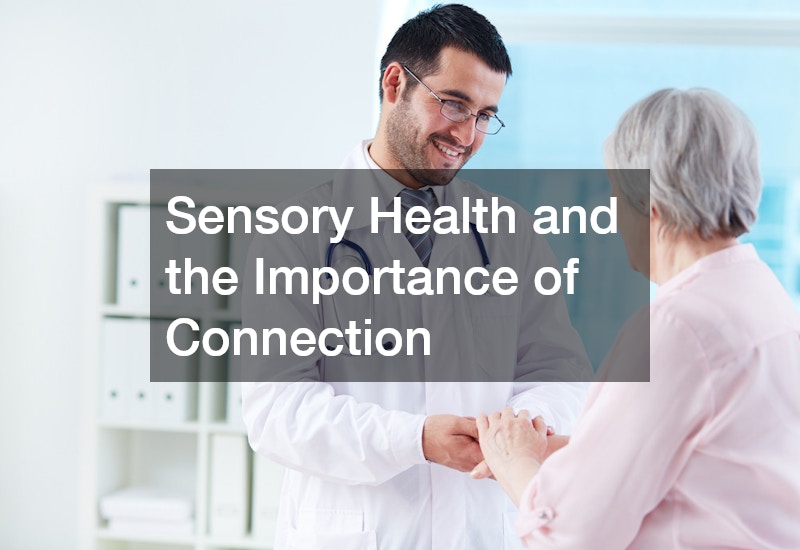
Health is also measured by our ability to interact with the world around us. Sensory degradation, particularly in hearing, can lead to social isolation and cognitive decline if left unaddressed. An experienced audiologist plays a critical role in this area, performing the detailed assessments necessary to identify the specific frequencies of hearing loss. By catching these issues early, patients can maintain their cognitive sharpness and stay connected to their communities. A thorough evaluation ensures that any intervention is perfectly tuned to the patient’s lifestyle and acoustic environment, whether they are in a quiet office or a crowded restaurant.
The technology behind hearing aids has advanced at a staggering rate, moving from bulky, visible devices to sleek, nearly invisible pieces of technology that sync with smartphones and artificial intelligence. These devices do more than just amplify sound; they filter noise and enhance clarity, allowing the wearer to navigate complex social environments with ease. Maintaining sensory health is a vital part of the longevity equation, ensuring that as the body stays fit, the mind remains engaged and sharp through constant social and environmental stimulation. Modern units can even track physical activity, further integrating them into the overall wellness ecosystem. This seamless integration ensures that the technology supports the user’s life without becoming a distraction or a burden.
A Future Defined by Longevity and Vitality
The modern wellness hub represents a shift from reactive sick-care to proactive healthcare. By utilizing a wide range of tools—from the precision of an upright open MRI to the revitalizing power of a vitamin IV drip—individuals can now take full control of their biological trajectory. This holistic model acknowledges that the human body is an interconnected system where mental health, physical performance, and aesthetic confidence all influence one another. It is a philosophy that views health as a dynamic state of being rather than just the absence of disease. This new paradigm encourages individuals to be active participants in their health journey rather than passive recipients of care.
As we look toward the future, the integration of these services will only become more seamless. The goal is no longer just to live longer, but to live better. By investing in specialized care from an audiologist or seeking mental health support through ketamine retreats, people are discovering that the best years of their lives don’t have to be behind them. The journey toward optimal health is a lifelong process, and with the right tools and professional guidance, it is a journey that leads to a more vibrant, fulfilled, and energetic existence. The path to wellness is paved with personalized data and compassionate care, ensuring every person can reach their full potential. Through these advancements, we are witnessing the birth of a new standard in human care that values the quality of every moment spent in health and happiness.