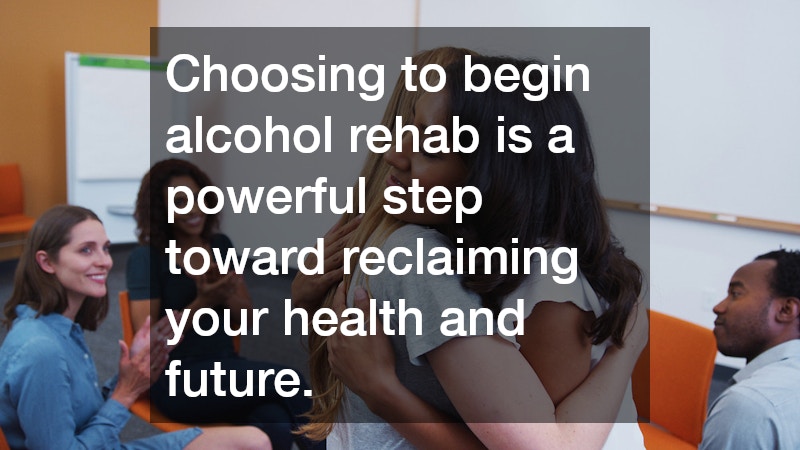
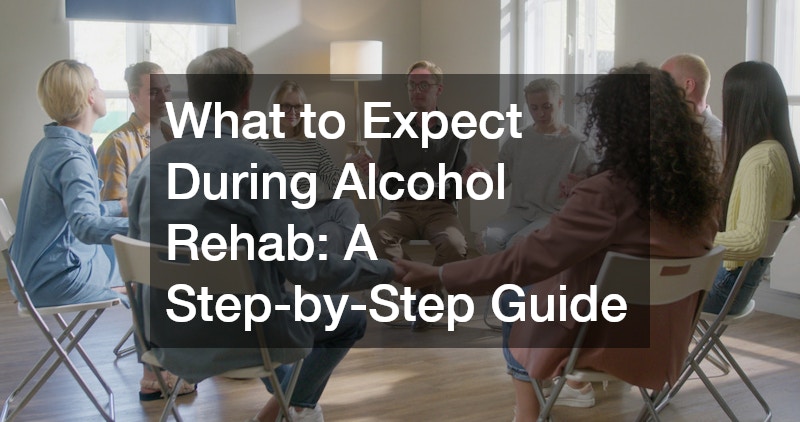
Choosing to begin alcohol rehab is a powerful step toward reclaiming your health and future. While the process may feel uncertain at first, understanding what happens during treatment can make it easier to take that first step with confidence. At Blue Heron Recovery, alcohol rehab is designed to be structured, supportive, and personalized to each individual’s needs.
Step 1: Initial Assessment and Intake
Every alcohol rehab journey begins with a comprehensive evaluation. During this stage, medical and clinical professionals gather important information about your physical health, mental health, and history of alcohol use.
This process typically includes:
- A medical examination
- A mental health screening
- A review of substance use history
The goal is to create a customized treatment plan that reflects your unique needs and recovery goals.
Step 2: Medical Detox (If Needed)
For many individuals, the next step in alcohol rehab is detoxification. Detox allows the body to safely eliminate alcohol while managing withdrawal symptoms.
Withdrawal can begin within hours of stopping alcohol use and may range from mild discomfort to more serious symptoms. In a professional setting, medical teams monitor your condition and may provide medications to reduce symptoms and prevent complications.
Detox typically lasts several days to about a week, depending on the severity of alcohol dependence.
It’s important to remember that detox is only the first step—true recovery begins with ongoing treatment.
Step 3: Transition Into Structured Treatment
After detox, clients move into the core phase of alcohol rehab. This stage focuses on addressing the underlying causes of addiction and building healthier coping strategies.
Treatment programs often include:
- Individual therapy
- Group counseling sessions
- Behavioral therapies such as cognitive behavioral therapy (CBT)
- Educational sessions about addiction and recovery
- Daily schedules are typically structured to provide consistency, including therapy sessions, wellness activities, and time for reflection.
Step 4: Building Coping Skills and Relapse Prevention
A key part of alcohol rehab is learning how to maintain sobriety outside of a treatment setting. During this stage, clients develop tools to manage triggers, stress, and cravings.
This may involve:
- Identifying personal triggers
- Practicing stress management techniques
- Creating relapse prevention plans
- Strengthening communication and relationship skills
Therapies used in this phase help individuals reshape behaviors and thought patterns that contribute to alcohol use.
Step 5: Addressing Mental Health and Whole-Person Healing
Alcohol addiction often coexists with mental health conditions such as anxiety, depression, or trauma. Effective alcohol rehab takes a holistic approach by treating both substance use and mental health.
This integrated care may include:
- Dual diagnosis treatment
- Trauma-informed therapy
- Mindfulness and wellness practices
By addressing the full picture, individuals are better equipped for long-term recovery.
Step 6: Aftercare and Ongoing Support
Recovery does not end when a rehab program is completed. Aftercare is a critical component of alcohol rehab and helps individuals stay on track as they transition back into daily life.
Aftercare plans may include:
- Outpatient therapy or counseling
- Support groups such as 12-step programs
- Continued medical or psychiatric care
- Alumni or peer support programs
Ongoing care significantly improves the chances of maintaining sobriety and building a stable, healthy lifestyle.
Taking the First Step Toward Recovery
Entering alcohol rehab may feel overwhelming, but knowing what to expect can ease uncertainty. From initial assessment to aftercare, each step is designed to support healing, growth, and long-term success.
At Blue Heron Recovery, alcohol rehab is more than a program—it’s a path toward lasting change. With the right support system in place, recovery is not only possible but sustainable.