
Aging well is not about focusing on a single aspect of health—it is about building a lifestyle that supports the body, mind, and daily function together. As adults age, small daily choices begin to have a greater impact on energy levels, mobility, independence, and overall quality of life.
A whole-body wellness approach means focusing on prevention, consistency, and support systems rather than reacting only when problems arise. It involves nutrition, movement, emotional well-being, environmental safety, and routine health monitoring. When these elements work together, aging adults are more likely to maintain independence and enjoy a higher quality of life for longer.
This guide breaks down practical strategies that can be applied gradually. Each section focuses on realistic steps that can be incorporated into everyday routines to support long-term wellness and confidence.
- Building Consistent Daily Health Systems
- Creating a Safer Living Environment
- Supporting Recovery and Physical Function
- Maintaining Foot Health and Stability
- Managing Long-Term Metabolic Health
- Strengthening Emotional and Family Support Systems
- Understanding Safe Aesthetic and Medical Decisions
- Supporting Oral Health and Function
- Considering Structured Living Support
- Maintaining Preventive Health Awareness
Building Consistent Daily Health Systems

A strong foundation for aging well begins with structure. Consistency in daily habits helps reduce health complications, improve energy stability, and support long-term independence. When routines become predictable, the body responds more efficiently, making it easier to manage both physical and cognitive health over time. Small, repeated actions often have a greater impact than occasional large efforts.
One of the most important components of this system is medication management. As people age, it is common to manage multiple prescriptions, supplements, or over-the-counter medications. Without proper organization, it becomes easy to miss doses or accidentally combine medications that should not be taken together. This is especially important for individuals managing chronic conditions, where timing and dosage consistency directly affect outcomes.
A reliable support system, such as a pharmacy, can help streamline this process by providing medication synchronization, refill reminders, and consultations about interactions. Many also offer packaging solutions that organize daily doses into pre-sorted packs, reducing confusion and improving adherence. Pharmacists can also help identify duplicate therapies or unnecessary supplements that may be adding complexity.
Practical strategies include:
- Setting a daily routine for medication timing
- Using a pill organizer for weekly planning
- Keeping an updated medication list
- Scheduling regular medication reviews with healthcare providers
- Asking questions about side effects and interactions
- Pairing medication times with daily habits like meals or brushing teeth
- Storing medications in a visible, consistent location to avoid missed doses
In addition to medication management, consistency in sleep, hydration, and light physical activity supports stable energy levels. Even small daily routines help the body maintain balance and reduce stress on major systems. Going to bed and waking up at similar times each day helps regulate circadian rhythms, which can improve mood, memory, and immune function. Staying hydrated throughout the day also supports joint health, digestion, and cognitive clarity.
Light movement, such as walking or gentle stretching, reinforces circulation and helps maintain muscle strength without overexertion. When these habits are combined with structured medication support, they create a dependable foundation that supports long-term wellness and independence.
Creating a Safer Living Environment
Aging adults often spend more time at home, making environmental safety a key factor in overall wellness. A safe living environment reduces risks of injury and supports long-term respiratory and physical health. It also plays a major role in maintaining independence, since even minor hazards can significantly impact mobility, confidence, and daily functioning over time.
One often overlooked aspect of home safety is environmental exposure. Radon testing services can help identify invisible risks in the home environment that may impact long-term respiratory health. Testing is simple, non-invasive, and can provide peace of mind. In many cases, homeowners are unaware of elevated levels until testing is completed, which makes proactive screening an important part of preventive care. Addressing these risks early helps create a healthier indoor environment that supports long-term wellness.
Beyond air quality concerns, the overall layout and design of a home can greatly influence safety. Aging adults benefit from simplifying their living spaces and reducing unnecessary clutter that may create obstacles. Even small adjustments, when combined, can dramatically reduce fall risk and improve ease of movement throughout the home.
Additional safety improvements include:
- Installing grab bars in bathrooms near toilets and showers
- Improving lighting in hallways, staircases, and entryways
- Removing loose rugs or securing flooring to prevent slipping
- Ensuring smoke and carbon monoxide detectors are functional and tested regularly
- Maintaining proper ventilation in kitchens, bathrooms, and bedrooms
- Keeping frequently used items within easy reach to avoid unnecessary bending or climbing
- Using non-slip mats in high-moisture areas such as bathrooms and kitchens
It is also helpful to evaluate furniture arrangement to ensure clear walking paths, especially for individuals who use mobility aids. Rearranging furniture for better flow can reduce obstacles and make daily movement more intuitive and less physically demanding.
Creating a safe environment is not just about preventing accidents—it also supports confidence and independence, allowing aging adults to move freely within their homes without fear. Over time, these adjustments contribute to a stronger sense of control and comfort in daily living.
Supporting Recovery and Physical Function
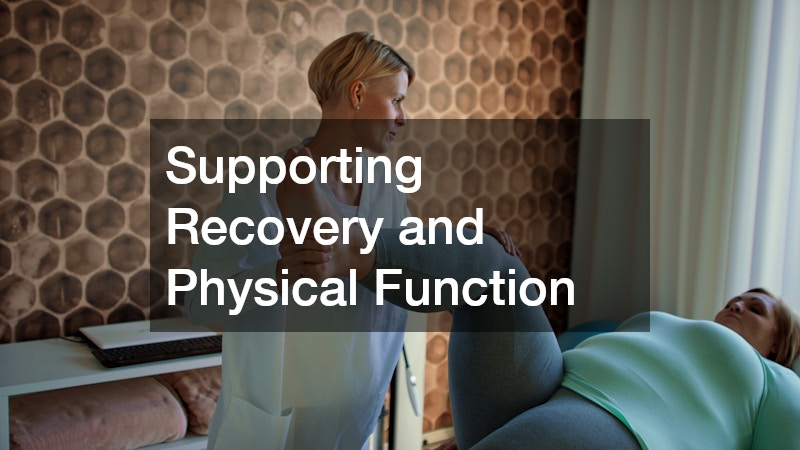
As the body ages, recovery from injury, illness, or surgery often takes longer. Properly supporting physical recovery can make a major difference in long-term mobility and independence. Without structured support, even minor setbacks can lead to reduced activity levels, muscle loss, and a gradual decline in confidence with movement. A thoughtful recovery plan helps prevent this cycle and encourages steady improvement over time.
Rehabilitation services play a critical role in helping individuals regain strength, flexibility, and coordination. These programs are often tailored to individual needs and can include physical therapy, occupational therapy, and guided exercise routines. In many cases, they also focus on retraining the body for everyday tasks such as climbing stairs, standing from a seated position, or safely carrying objects, which directly supports independence at home and in the community.
Key benefits of structured rehabilitation include:
- Improved mobility and balance
- Reduced risk of re-injury
- Increased muscle strength and endurance
- Better coordination for daily tasks
- Faster return to independence after medical events
In addition to these benefits, rehabilitation often helps reduce chronic pain by improving joint alignment and strengthening supporting muscles. This can make daily movement less taxing and more comfortable, encouraging individuals to stay active rather than avoid movement due to discomfort.
Consistency is essential. Progress may be gradual, but small improvements over time build lasting results. Combining professional guidance with at-home exercises helps maintain momentum and prevents regression. It is also important to track improvements, even small ones, such as increased walking distance or reduced stiffness. These milestones help maintain motivation and provide a clearer picture of recovery progress over time.
Maintaining Foot Health and Stability
Foot health becomes increasingly important with age because it directly affects balance, posture, and mobility. Even minor foot issues can lead to discomfort and reduced activity levels, which can ripple through overall physical health. When walking becomes painful or unstable, individuals may naturally reduce their movement, leading to stiffness, weakness, and an increased risk of falls. Maintaining strong foot care habits helps prevent this decline and supports long-term independence.
Regular care from a podiatrist can help prevent complications and address issues early before they affect overall movement. Conditions such as joint stiffness, nail problems, or circulation issues should not be ignored. Routine evaluations can also identify early signs of conditions like neuropathy or structural changes in the foot that may require intervention. Early treatment often leads to better outcomes and reduces the likelihood of long-term mobility limitations.
Helpful daily habits include:
- Checking feet for changes in skin or nails, including redness, swelling, or discoloration
- Wearing supportive, well-fitted shoes that provide cushioning and stability
- Keeping feet clean and moisturized to prevent dryness and cracking
- Stretching calves and ankles regularly to improve flexibility and circulation
- Avoiding prolonged standing without breaks to reduce pressure and fatigue
- Rotating footwear to ensure even wear and better support distribution
- Elevating feet periodically to reduce swelling and improve circulation
Footwear selection is particularly important, as improper shoes can contribute to poor posture and joint strain in the knees, hips, and lower back. Choosing shoes with proper arch support and non-slip soles can significantly improve stability during daily movement.
Maintaining foot health supports independence by reducing fall risk and improving confidence during movement. It also helps ensure that individuals remain active and engaged in daily life, which contributes to both physical and emotional well-being over time.
Managing Long-Term Metabolic Health

Metabolic conditions become more common with age, making consistent monitoring and lifestyle adjustments essential. Proper management supports energy stability and reduces long-term complications.
Diabetes programs provide structured education and support for individuals managing blood sugar levels. These programs often include nutrition planning, exercise guidance, and monitoring strategies.
Effective management strategies include:
- Eating balanced meals with consistent timing
- Monitoring blood sugar levels regularly when recommended
- Engaging in regular low-impact exercise, such as walking
- Staying hydrated throughout the day
- Learning how stress affects blood sugar regulation
Lifestyle consistency plays a major role in long-term success. Small, sustainable changes are more effective than drastic short-term adjustments.
Strengthening Emotional and Family Support Systems
Emotional health is closely connected to physical health, especially in aging adults. Social connection and communication can significantly impact stress levels, motivation, and overall well-being.
Family counseling can help improve communication between family members, resolve conflicts, and strengthen support systems. It also helps families navigate transitions, such as changes in caregiving or health challenges.
Ways to support emotional wellness include:
- Scheduling regular family check-ins
- Encouraging open and honest communication
- Participating in shared activities
- Seeking support during major life transitions
- Addressing emotional concerns early rather than avoiding them
Strong emotional support systems reduce isolation and improve resilience, making it easier to cope with physical or lifestyle changes.
Understanding Safe Aesthetic and Medical Decisions

As individuals age, some may choose to explore medical or aesthetic procedures to improve confidence or address physical concerns. These decisions should always be made carefully and with professional guidance.
A consultation with a local plastic surgeon can help individuals understand available options, risks, and expected outcomes. Proper evaluation ensures that procedures are appropriate for the individual’s health status.
Important considerations include:
- Reviewing full medical history before procedures
- Understanding recovery time and limitations
- Setting realistic expectations for results
- Considering non-surgical alternatives when appropriate
- Ensuring long-term health compatibility
The goal is not just appearance—it is overall well-being, safety, and confidence.
Supporting Oral Health and Function
Oral health plays a direct role in nutrition, digestion, and overall health. As people age, maintaining strong teeth and gums becomes increasingly important for quality of life.
A cosmetic dentist can help address both functional and aesthetic concerns, improving confidence and oral function. In some cases, dental crowns may be used to restore damaged or weakened teeth, improving both strength and appearance.
Practical oral health habits include:
- Brushing and flossing daily
- Scheduling regular dental checkups
- Addressing dental issues early
- Avoiding excessive sugar intake
- Staying hydrated to support saliva production
Good oral health supports proper nutrition, which in turn affects energy, immunity, and overall wellness.
Considering Structured Living Support
There may come a point when additional daily support becomes beneficial for safety, health management, or social engagement. Transitioning to a structured environment can improve quality of life rather than reduce independence.
An assisted living community offers support with daily tasks while maintaining as much independence as possible. These environments often include access to healthcare, meals, social activities, and safety monitoring.
Benefits include:
- Assistance with daily living tasks
- Increased social interaction opportunities
- Access to healthcare support
- Safer living environment
- Reduced isolation and loneliness
Choosing this option is highly individual and should be based on health needs, lifestyle preferences, and long-term planning.
Maintaining Preventive Health Awareness
Preventive care is one of the most powerful tools for long-term wellness. Regular checkups, screenings, and proactive communication with healthcare providers help identify issues early.
A pharmacy can support preventive health by helping individuals manage prescriptions, track refills, and stay informed about medication updates or changes.
Preventive strategies include:
- Scheduling annual health screenings
- Keeping an updated health record
- Following recommended vaccination schedules
- Communicating regularly with healthcare providers
- Staying consistent with prescribed treatments
Preventive care reduces the likelihood of emergencies and supports long-term stability in health and lifestyle.
Whole-body wellness in aging adults is built through consistent habits, supportive systems, and proactive care. It is not defined by one single change but by the combination of physical health, emotional stability, safe environments, and ongoing preventive practices.
By taking a structured and intentional approach, individuals can maintain independence, improve daily comfort, and support long-term quality of life. Wellness is not a destination but an ongoing process that adapts over time, guided by awareness, consistency, and care.