

Recovery from injury, chronic pain, or physical setbacks is rarely a straightforward process. Each individual brings a unique combination of health history, lifestyle demands, movement patterns, stress levels, and personal goals. Because of this, effective recovery requires more than a generic exercise sheet or a short-term rehabilitation routine—it requires a fully personalized health and fitness plan designed to support the whole person.
A well-structured recovery plan focuses on restoring movement, rebuilding strength, reducing pain, improving stability, and supporting emotional well-being. It also recognizes that progress often happens in stages rather than all at once. What works for one person may not work for another, even if they share a similar diagnosis or injury.
This article explains how the components of a personalized recovery plan work together. It explores practical strategies for rebuilding mobility, managing discomfort, improving physical function, and supporting long-term consistency. Each section highlights actionable steps so readers can better understand how to apply these principles in real life and create a more sustainable path toward recovery.
Restoring Alignment and Early Movement Confidence
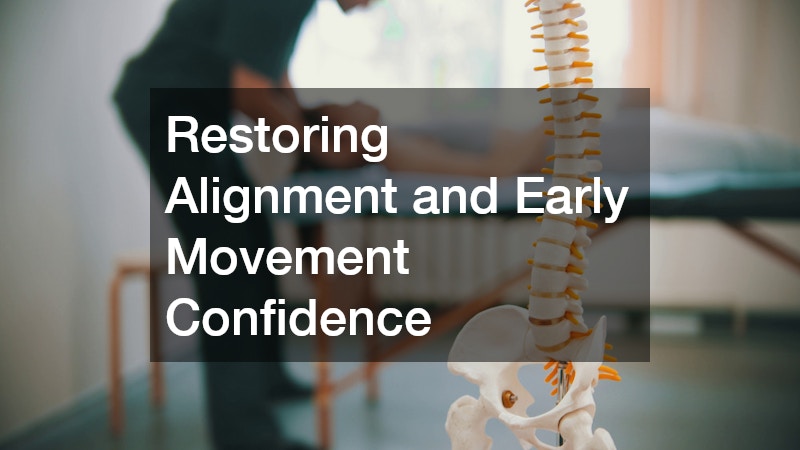
The earliest stage of recovery often focuses on restoring comfortable movement and reducing physical restrictions that limit daily activity. When the body is out of alignment or compensating for injury, it can create pain patterns that spread beyond the original issue. For example, a knee injury may gradually affect the hip, lower back, or even the opposite leg as the body subconsciously shifts weight to avoid discomfort. Over time, these compensations can become “learned movement patterns,” meaning the body continues to move inefficiently even after the original injury begins to heal. Addressing these patterns early helps set the foundation for long-term improvement and prevents secondary issues from developing.
One approach to improving alignment and reducing joint restrictions involves working with a chiropractor, who focuses on spinal and musculoskeletal alignment. This can help reduce tension, improve mobility, and support better posture during everyday movement. Alongside this, a physical therapist plays a critical role in assessing functional limitations and guiding safe progression of movement. Together, these approaches help ensure that both structural alignment and movement mechanics are being addressed in a coordinated way rather than in isolation.
Key strategies in this phase include:
- Identifying movement limitations through a structured assessment
- Introducing gentle mobility exercises to reduce stiffness
- Improving posture awareness during sitting, standing, and walking
- Tracking pain levels before and after movement sessions
- Gradually increasing activity without overloading sensitive areas
A personalized plan in this stage may include short daily movement routines such as:
- 5–10 minutes of joint mobility work in the morning
- Light stretching breaks during long periods of sitting
- Controlled breathing exercises to reduce muscle tension
- Postural resets throughout the day
In addition, many individuals benefit from establishing a simple “movement baseline” during this phase. This means paying attention to what feels normal for the body on a typical day—how far you can walk comfortably, how long you can sit before stiffness sets in, and which movements trigger discomfort. Recording these observations helps create a reference point for progress over time.
It is also important to avoid the common mistake of doing too much too soon. Early recovery is not about pushing limits; it is about rebuilding trust in movement. The nervous system often becomes hypersensitive after injury, which can make normal movements feel threatening or uncomfortable. Slow, controlled exposure to movement helps retrain this response and gradually restores confidence. Even small gains, such as standing up with less stiffness or walking a slightly longer distance without discomfort, represent meaningful progress in this stage.
Rebuilding Strength and Everyday Function
Once basic mobility has improved, the next stage of recovery focuses on rebuilding strength and restoring independence in daily activities. This phase is essential for preventing reinjury and helping individuals return to work, hobbies, and physical routines with confidence. At this point in recovery, the body is typically better able to handle controlled stress, but it still requires careful progression to avoid setbacks. The emphasis shifts from simply “moving without pain” to “moving with purpose,” where each exercise and activity is designed to rebuild durability, endurance, and control.
A physical therapy program is often central during this stage, as it provides structured, progressive exercise plans tailored to each person’s condition. These programs emphasize correct movement patterns, muscle activation, and gradual load progression. Instead of focusing on intensity, the priority is consistency and precision. Small adjustments in form—such as knee alignment during squats or controlled shoulder positioning during lifts—can significantly impact long-term outcomes. Over time, these improvements help restore confidence in movement and reduce the risk of reinjury.
At the same time, occupational therapy supports individuals in regaining the ability to perform everyday tasks such as lifting objects, typing, cooking, or dressing. This practical focus helps bridge the gap between rehabilitation exercises and real-world function. For example, someone recovering from an upper-body injury may practice simulated grocery bag lifting, while someone with lower-body limitations may work on stair navigation or prolonged standing tolerance. These functional applications ensure that strength gains translate into meaningful improvements in daily life.
Key components of this stage include:
- Learning proper movement mechanics before increasing resistance
- Practicing functional exercises that mimic daily activities
- Strengthening stabilizing muscles around affected joints
- Improving coordination and balance for safer movement
A structured progression model may look like:
- Phase 1: Bodyweight exercises and controlled movement patterns
- Phase 2: Light resistance training with focus on form
- Phase 3: Functional strength training integrated into daily life tasks
Additional strategies:
- Avoiding pain-driven movement and focusing on controlled effort
- Using rest days strategically to allow tissue recovery
- Monitoring fatigue levels to prevent overtraining
- Gradually increasing volume before increasing intensity
It is also important to recognize that strength rebuilding is not linear. Some days may feel stronger than others depending on sleep quality, stress levels, and overall recovery status. Paying attention to these fluctuations helps prevent pushing too hard on lower-capacity days. The goal is to build strength that directly supports daily life—not just gym performance, but the ability to move confidently, safely, and efficiently through everyday activities without hesitation or compensation patterns returning.
Managing Lower Body Strain and Improving Stability
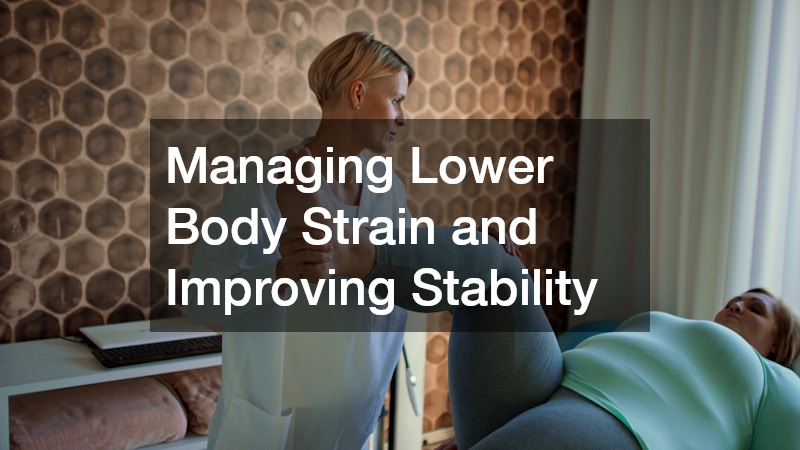
Lower body issues can significantly affect mobility and overall recovery progress. Pain in the knees, feet, hips, or surrounding joints often changes how a person moves, even if they are not fully aware of it. These altered walking or standing patterns—known as compensation patterns—can shift stress to other areas of the body, such as the lower back or opposite leg. Over time, this can create a cycle where one injury leads to another, making recovery more complex and prolonged. Addressing these issues early is essential to preventing long-term complications and ensuring efficient, balanced movement.
Targeted knee pain therapy focuses on strengthening surrounding muscles, improving joint stability, and correcting movement patterns that contribute to discomfort. This often includes exercises designed to improve quadriceps, hamstrings, and hip strength, since these muscle groups work together to stabilize the knee during walking, squatting, and climbing stairs. In many cases, improving hip strength alone can significantly reduce stress on the knee joint, highlighting the importance of viewing the body as an interconnected system rather than isolated parts.
Foot mechanics also play a major role in recovery. A podiatrist can help identify structural or gait-related issues that affect alignment, such as flat feet, high arches, improper weight distribution, or footwear-related strain. Because the feet are the foundation of all movement, even small imbalances can influence posture throughout the kinetic chain. Correcting these issues may involve footwear changes, orthotic support, or specific strengthening exercises designed to improve foot stability and control.
Helpful strategies include:
- Strengthening stabilizing muscles around the knee and hip
- Practicing balance exercises to improve joint control
- Wearing supportive footwear that matches foot structure
- Avoiding high-impact activity during early recovery phases
Recommended exercises may include:
- Step-ups for controlled knee strengthening
- Calf raises to support foot stability
- Single-leg balance holds for coordination
- Slow walking drills focusing on proper alignment
Additional tracking methods:
- Monitoring walking distance without pain
- Observing changes in swelling or stiffness
- Recording daily mobility improvements
- Noting whether limp patterns or uneven weight distribution are decreasing over time
Another important but often overlooked factor is terrain awareness. Walking on uneven surfaces, inclines, or unstable ground too early in recovery can increase strain on already vulnerable joints. Gradually reintroducing varied surfaces helps the body adapt safely without overwhelming healing tissues. Additionally, consistency in daily movement—such as short, frequent walks rather than occasional long sessions—often leads to better outcomes than sporadic effort.
Addressing lower-body stability early helps ensure recovery progresses without setbacks caused by compensation patterns, while also building a stronger foundation for long-term mobility, balance, and confidence in movement.
Supporting Tissue Recovery and Overall Wellness Habits
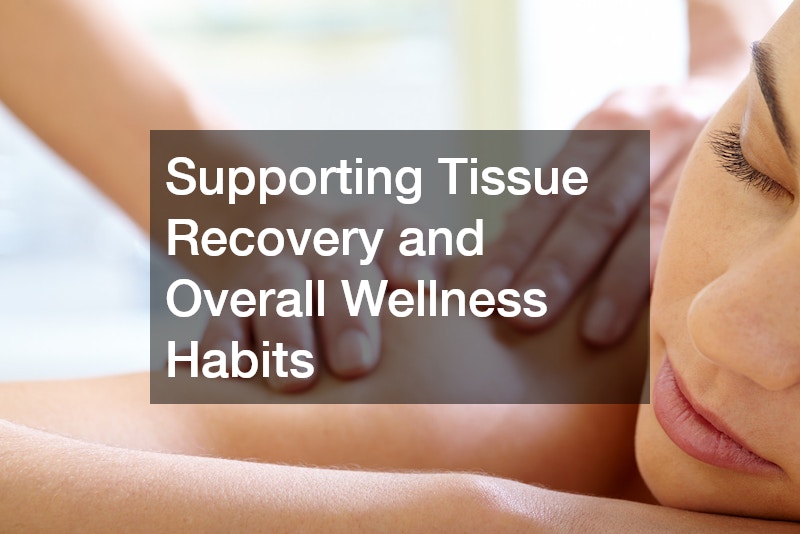
Soft tissue recovery plays a major role in reducing stiffness, improving circulation, and restoring comfort during movement. Muscles, tendons, and connective tissues need consistent care to recover effectively, especially after injury or prolonged inactivity.
A massage therapy service can support recovery by reducing muscle tension, improving blood flow, and enhancing relaxation. This type of care is especially helpful when combined with structured exercise programs, as it allows the body to recover more efficiently between training sessions.
While it may not seem directly related, oral health also plays a role in overall inflammation and wellness. A family dentist helps maintain oral hygiene and can address issues that may contribute to systemic inflammation, which can, in turn, indirectly affect recovery and energy levels.
Practical recovery strategies include:
- Scheduling regular soft tissue work to reduce muscle tightness
- Using hydration and nutrition to support tissue repair
- Incorporating rest days into weekly movement plans
- Maintaining consistent sleep patterns for better recovery outcomes
A balanced weekly recovery structure might include:
- 2–3 days of targeted mobility and strength work
- 1–2 sessions focused on soft tissue recovery
- Daily light movement, such as walking or stretching
- One full rest or low-activity day
Additional tips:
- Avoid pushing through persistent muscle tightness
- Pay attention to how the body responds after each session
- Adjust intensity based on recovery feedback
This balanced approach ensures that recovery supports long-term sustainability rather than short-term effort alone.
Core Stability and Internal Support Systems
Core and pelvic stability are often overlooked in recovery programs, yet they play a crucial role in maintaining balance, posture, and efficient movement. Weakness in these areas can contribute to back pain, poor alignment, and inefficient movement patterns.
Pelvic floor therapy focuses on strengthening and coordinating deep stabilizing muscles that support the pelvis, spine, and core. These muscles are essential for maintaining internal pressure control and overall stability during movement.
Key principles in this stage:
- Learning proper breathing techniques to activate deep core muscles
- Improving coordination between abdominal and pelvic muscles
- Building endurance in stabilizing muscle groups
- Avoiding over-reliance on superficial muscle engagement
Effective exercises include:
- Diaphragmatic breathing with core engagement
- Gentle pelvic tilts for awareness and control
- Low-impact stability holds
- Gradual progression into functional movement patterns
Integration tips:
- Practice core engagement during daily activities like standing or walking
- Focus on slow, controlled movements rather than intensity
- Build consistency rather than complexity in exercises
Strengthening internal support systems improves overall movement efficiency and reduces the risk of reinjury across multiple body regions.
Emotional Resilience and Long-Term Recovery Consistency
Physical recovery is closely tied to emotional and mental well-being. Stress, frustration, and anxiety can all impact how the body responds to rehabilitation efforts. When mental strain is high, physical progress often slows due to increased muscle tension and reduced consistency in routines.
Counseling services can provide valuable support by helping individuals manage emotional challenges, build coping strategies, and stay committed to long-term recovery goals. This support can be especially important during periods of slow progress or setbacks.
Key emotional recovery strategies include:
- Developing realistic expectations for recovery timelines
- Building structured daily routines to maintain consistency
- Practicing stress-reduction techniques such as breathing or journaling
- Focusing on small, measurable improvements rather than perfection
Helpful habits:
- Tracking progress in a recovery journal
- Setting weekly achievable movement goals
- Incorporating relaxation techniques into daily routines
- Maintaining social or professional support systems
Mental resilience helps individuals stay engaged in their recovery process even when progress feels slow or uneven. Over time, this consistency becomes one of the strongest predictors of long-term success.
Personalized recovery is not defined by a single treatment method or exercise program. Instead, it is built through the careful integration of movement restoration, strength rebuilding, pain management, soft tissue care, stability training, and emotional support. Each component plays a distinct role, but their true effectiveness emerges when they work together as part of a unified plan.
Sustainable recovery requires patience, consistency, and a willingness to adapt as the body changes over time. By focusing on individualized strategies and addressing both physical and emotional needs, individuals can create a more complete and resilient path toward long-term health and functional independence.