- Key Takeaways:
- What Is Anemia, Anyway?
- How Does High Blood Pressure Even Work?
- So, Does Anemia Actually Raise Blood Pressure?
- What One Study Found About Nighttime Blood Pressure
- What Happens Inside the Body During Anemia?
- Who Is Most at Risk for Both Conditions at the Same Time?
- Can Treating Anemia Help Control Blood Pressure?
- What Does This Mean If You Have Both Conditions?
- The Bigger Picture: Why This Research Still Has a Long Way to Go
- Final Thoughts
Key Takeaways:
- Anemia and high blood pressure don’t have a simple cause-and-effect relationship. The science is genuinely mixed — some studies show anemic patients have higher blood pressure, while others show the opposite, depending on the type of anemia, its severity, and the individual’s overall health.
- Nighttime blood pressure is where anemia’s impact shows up most clearly. Research found that anemic patients tend to have elevated nocturnal systolic blood pressure even when daytime readings look normal, which is a meaningful cardiovascular risk factor that often goes undetected.
- Having anemia doesn’t automatically mean higher blood pressure — and may sometimes mean lower. The Nepal population study showed that women with anemia actually had a lower prevalence of hypertension (5.4%) compared to women without it (9.0%), largely because anemia reduces blood thickness and vascular resistance.
- The type of anemia matters enormously. Iron deficiency anemia, anemia of chronic kidney disease, and severe anemia can all affect blood pressure through completely different mechanisms — so blanket statements about the relationship are almost always oversimplifications.
- Treating anemia won’t necessarily fix blood pressure problems, and can sometimes worsen them. Erythropoietin-stimulating agents used to treat anemia in kidney disease patients, for example, are known to raise blood pressure as a side effect.
- The two conditions can fuel each other in a cycle. Chronic high blood pressure can damage the kidneys over time, which reduces their ability to produce EPO, which then causes anemia — meaning neither condition can always be treated in isolation.
If you’ve ever been told you have anemia, chances are your doctor spent a lot of time talking about fatigue, pale skin, and low energy. High blood pressure probably didn’t come up in that conversation. But here’s the thing — these two conditions share a more complicated relationship than most people realize, and researchers have been trying to untangle it for years. So let’s dig into what we actually know, what the data says, and why this matters for your everyday health decisions.
What Is Anemia, Anyway?
Before we get into the blood pressure angle, it helps to understand what anemia actually is. At its core, anemia is a condition where your body doesn’t have enough healthy red blood cells — or enough hemoglobin inside those cells — to carry adequate oxygen to your tissues and organs. Hemoglobin is the protein that does the heavy lifting here: it grabs oxygen from your lungs and delivers it throughout your body.
When that delivery system breaks down, everything suffers. Your organs don’t get the oxygen they need, and your body starts scrambling to compensate. That scramble — the body working overtime to keep things running — is a big part of why anemia can quietly affect so many other systems, including your cardiovascular system.
There are several distinct types of anemia, and they don’t all work the same way:
- Iron deficiency anemia is the most common type worldwide. It happens when your iron stores are too low to produce enough hemoglobin.
- Vitamin B12 or folate deficiency anemia occurs when your body lacks nutrients essential for red blood cell production.
- Anemia of chronic disease develops alongside long-term conditions like kidney disease, autoimmune disorders, or chronic infections.
- Hemolytic anemia involves red blood cells being destroyed faster than the body can replace them.
- Aplastic anemia is a rarer, more serious form where the bone marrow simply stops making enough blood cells.
Each type has different underlying causes and, importantly, potentially different effects on other systems in the body — including blood pressure regulation.
How Does High Blood Pressure Even Work?

High blood pressure, or hypertension, means the force of blood pushing against your artery walls is consistently too high. Over time, that constant pressure damages the arteries, strains the heart, and significantly raises the risk of heart attack, stroke, kidney disease, and other serious complications. It’s often called the “silent killer” because most people have no symptoms until damage has already been done.
Blood pressure is regulated by a surprisingly complex network involving the kidneys, the nervous system, the brain, hormones, blood vessel tone, and the composition of the blood itself. That last factor — blood composition — is where anemia enters the picture.
So, Does Anemia Actually Raise Blood Pressure?
Here’s the honest answer: it’s complicated, and science doesn’t have a clean, definitive yes or no yet. The relationship between anemia and hypertension is bidirectional, nuanced, and varies depending on the type of anemia, the severity, the patient’s age, sex, and a bunch of other factors. But the research that does exist is genuinely interesting, and two specific data points stand out.
What One Study Found About Nighttime Blood Pressure
One of the more telling pieces of evidence comes from ambulatory blood pressure monitoring research — essentially studies that track blood pressure over a full 24-hour period, including while a person sleeps. According to a review published on HealthMatch, anemic patients were found to have higher nocturnal systolic blood pressure and showed a tendency toward increased diastolic blood pressure compared to people with normal hemoglobin levels.
This is actually a bigger deal than it might sound at first. Nighttime blood pressure — the readings you get while you’re asleep — is considered by many cardiologists to be one of the most predictive indicators of cardiovascular risk. Normally, your blood pressure “dips” during sleep. It’s supposed to drop by around 10–20% compared to your daytime readings. When that dip doesn’t happen, or when nighttime readings are elevated, it’s associated with a significantly higher risk of heart attack, stroke, and organ damage.
So the finding that anemic individuals have elevated nighttime blood pressure — even if their daytime readings look relatively normal — suggests that anemia may be quietly disrupting one of the body’s most important cardiovascular protection mechanisms. Why might this happen? A few theories:
- When hemoglobin levels are low, the body increases heart rate and cardiac output to compensate, which can elevate pressure throughout the circulatory system
- Low oxygen delivery to the kidneys can trigger the release of hormones that raise blood pressure
- Iron deficiency specifically has been linked to increased activity in the sympathetic nervous system — the “fight or flight” system that, when chronically activated, contributes to elevated blood pressure
- Anemia may interfere with nitric oxide signaling, a key mechanism the body uses to relax and widen blood vessels
What Population Data Reveals About the Bigger Picture
The second data point flips the question on its head in a fascinating way. A nationwide study published on PubMed Central analyzing data from the 2022 Nepal Demographic and Health Survey — which covered over 4,000 women aged 15 to 49 — found that the rate of hypertension was notably higher among women without anemia than among those who had it: 9.0% versus 5.4%.
Wait — so women with anemia had lower rates of high blood pressure? That sounds like a contradiction. But it actually reflects something important about the biology here. Anemia reduces the viscosity (thickness) of the blood and can decrease peripheral vascular resistance. Thinner, lower-resistance blood requires less force to pump through the arteries — which could translate to lower, not higher, blood pressure in some people.
This is why it’s so important to build a healthy lifestyle with medical guidance rather than trying to interpret lab results and health stats on your own. The numbers don’t always mean what they seem to at first glance, and the relationship between these two conditions changes depending on the clinical context.
How Can Both Things Be True?
The answer lies in the fact that anemia is not one single condition with one single effect. Different types of anemia affect blood pressure differently:
- Iron deficiency anemia tends to reduce blood viscosity, which could lower pressure — but it also activates the sympathetic nervous system, which pushes pressure back up
- Anemia of chronic kidney disease is heavily linked to hypertension because kidney dysfunction disrupts the hormones that regulate blood pressure regardless of hemoglobin levels
- Severe anemia can trigger compensatory mechanisms — like increased heart rate and cardiac output — that ultimately raise systolic pressure
- Mild to moderate anemia in otherwise healthy individuals might have a very different (or negligible) effect on blood pressure than severe anemia does in someone with existing cardiovascular or kidney disease
The bottom line is that the effect of anemia on blood pressure is not linear or universal. It depends on the type, the severity, the presence of other conditions, and individual physiology.
What Happens Inside the Body During Anemia?
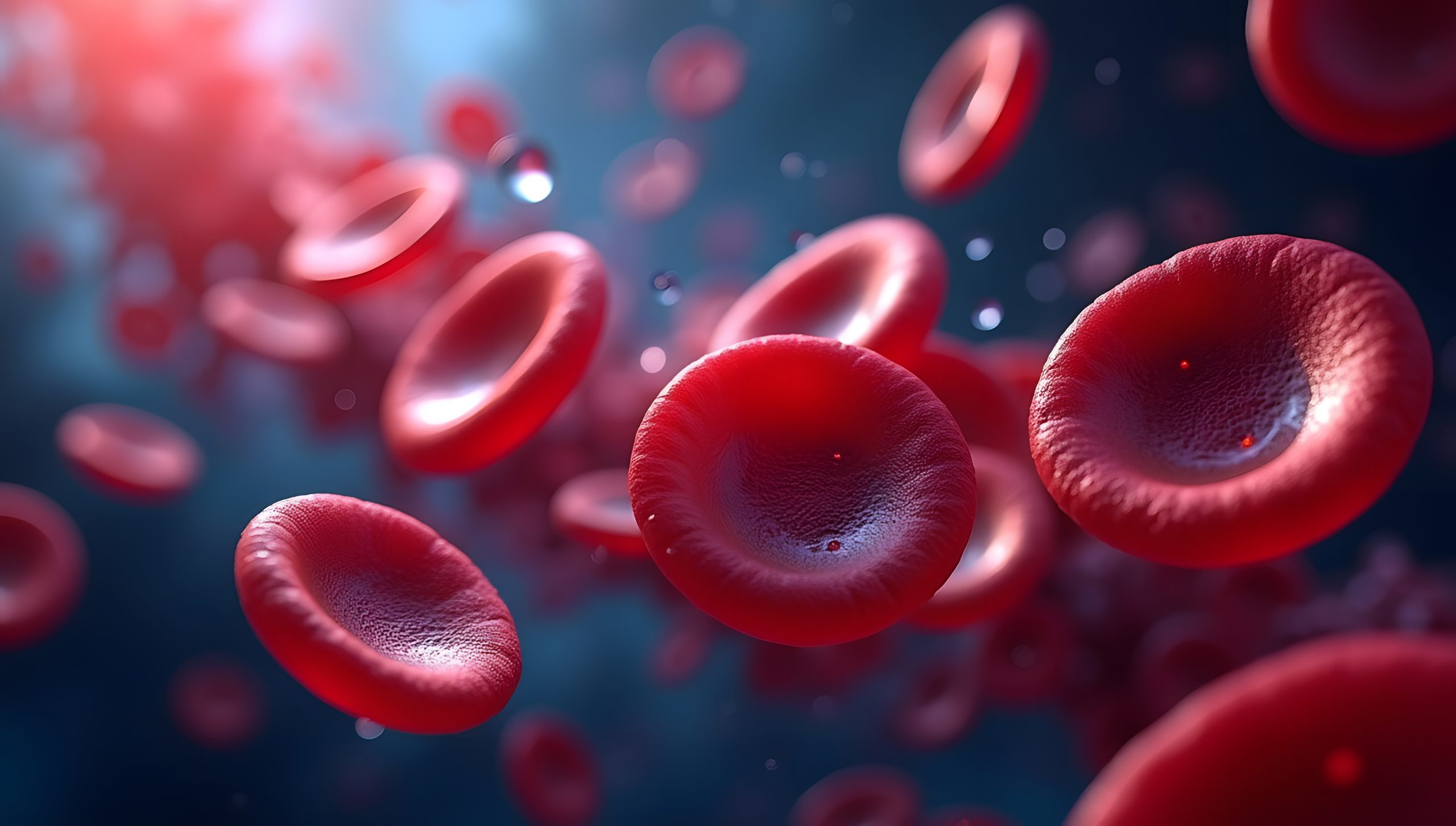
To really understand why anemia can push blood pressure in different directions, it helps to walk through what’s happening physiologically when hemoglobin levels drop.
Your body’s top priority is always oxygen delivery. When red blood cells or hemoglobin are insufficient, the body detects low oxygen levels in tissues and launches a series of compensatory responses:
- The heart pumps faster and harder to move more blood through the system
- The kidneys detect reduced oxygen and release erythropoietin (EPO), a hormone that stimulates red blood cell production — but EPO also has blood-pressure-raising effects
- The sympathetic nervous system kicks in, releasing adrenaline-like hormones that constrict blood vessels and speed up the heart
- Blood flow is redistributed, prioritizing vital organs like the brain and heart over peripheral tissues
Some of these responses drive blood pressure up. Others — like the reduction in blood viscosity from lower red cell volume — can pull it down. What the body actually ends up doing depends on which mechanisms dominate in a given individual.
Who Is Most at Risk for Both Conditions at the Same Time?
Certain populations face elevated risk of both anemia and high blood pressure simultaneously, which is where management gets particularly tricky:
- Older adults are prone to both conditions due to reduced kidney function, nutritional changes, and the accumulation of chronic diseases
- People with chronic kidney disease almost always develop anemia as the kidneys lose their ability to produce EPO, and they are also highly prone to hypertension
- Women of reproductive age are at higher risk for iron deficiency anemia due to menstruation and pregnancy, while also facing cardiovascular risks that build over time
- People with diabetes frequently develop both conditions together, making blood pressure management more complex
- Individuals in low-to-middle-income countries often face nutritional deficiencies that cause anemia alongside high-sodium diets and limited healthcare access that contributes to uncontrolled hypertension
Can Treating Anemia Help Control Blood Pressure?
Some doctors have observed that successfully treating anemia can help bring blood pressure under better control in certain patients, as noted in an overview of the anemia-hypertension connection from Liv Hospital. But this is far from a guaranteed outcome, and the relationship can actually work against you in some cases.
For example, in people with chronic kidney disease, treating anemia with erythropoietin-stimulating agents (ESAs) can actually raise blood pressure — sometimes significantly. This is one of the more well-documented risks of ESA therapy, and it’s something kidney specialists actively monitor. On the other hand, correcting iron deficiency anemia with iron supplementation in otherwise healthy patients sometimes results in modest improvements in cardiovascular function.
This is exactly why you need to protect your health long-term by working closely with a doctor rather than self-diagnosing or self-treating based on general information. Treating anemia is not a simple, one-size-fits-all solution to blood pressure problems, and it can sometimes make cardiovascular management more complicated, not less.
What Does This Mean If You Have Both Conditions?
If you or someone you know has been diagnosed with both anemia and high blood pressure, there are a few practical things worth knowing:
- Tell your doctor about both conditions. The interaction between them matters for choosing the right treatments, medications, and monitoring plan.
- Monitor your blood pressure at different times of day. Given what the data shows about elevated nighttime blood pressure in anemic patients, 24-hour ambulatory monitoring may give your doctor a more accurate picture than a single office reading.
- Don’t assume treating one will automatically fix the other. The relationship is complex enough that each condition typically needs its own targeted management plan.
- Address nutritional deficiencies proactively. If your anemia is iron- or vitamin-related, treating it with proper nutrition or supplements is a lower-risk intervention than pharmacological treatments and may have some positive downstream effects on cardiovascular health.
- Keep up with regular bloodwork. Hemoglobin levels, hematocrit, kidney function, and blood pressure trends should all be tracked together if you have both conditions.
The Bigger Picture: Why This Research Still Has a Long Way to Go
As highlighted in a retrospective study from the Biomedical and Pharmacology Journal, research findings on the relationship between anemia and blood pressure remain inconsistent across the literature, with some studies reporting a positive association, others suggesting an inverse relationship, and several failing to find any significant correlation at all. That kind of scientific messiness is frustrating if you’re looking for a clean answer, but it’s also a realistic reflection of how complex human biology actually is.
What researchers do agree on is that both anemia and hypertension are serious conditions that each independently raise the risk of heart disease, kidney damage, and other long-term health complications. Whether or not one directly causes the other, having both at the same time compounds that risk — and that alone is reason enough to take them seriously.
There’s also the question of which comes first. As the Liv Hospital overview on anemia and high blood pressure points out, the connection is complex enough that high blood pressure may also contribute to the development of anemia — not just the other way around. When blood pressure is chronically elevated, it can damage the kidneys over time, which then impairs their ability to produce EPO, which then causes anemia. So the two conditions can actually create a self-reinforcing cycle in some patients.
Final Thoughts
The question “does anemia cause high blood pressure?” doesn’t have a yes-or-no answer — and that’s actually important to know. What the research tells us is that anemia can influence blood pressure in multiple directions depending on the individual, the type of anemia, and the presence of other health factors. Some anemic patients show elevated nighttime blood pressure despite seemingly normal daytime readings. Others, like the women in the Nepal cohort study, appear to have lower overall rates of hypertension compared to their non-anemic peers.
What’s clear is that these are not isolated conditions. They are deeply connected to how your cardiovascular system, kidneys, and blood composition interact with each other every single day. If you’ve been diagnosed with either one — or both — the smartest thing you can do is work with a healthcare provider to understand the full picture, get the right monitoring in place, and develop a treatment plan that addresses both conditions together rather than in isolation.