Life has a way of changing in an instant. For many adults caring for aging parents, a single telephone call can shift their entire world upside down. One day, an elderly relative is managing perfectly fine on their own, navigating their daily routine with minimal assistance. The next day, a sudden fall, an unexpected illness, or a sharp decline in cognitive awareness rewrites the entire playbook. These sudden moments bring immense stress, confusion, and emotional weight. Families often find themselves reacting to immediate emergencies rather than operating from a calm, organized plan.
When a sudden medical issue arises over a weekend or late at night, families frequently rely on urgent care services to handle the immediate health threat. These walk-in medical facilities offer an intermediate step between a primary doctor and an emergency room visit. They can address acute issues quickly, preventing unnecessary and costly hospital stays. However, once the immediate medical emergency stabilizes, a completely new reality sets in. The realization that a loved one can no longer live completely independently is a heavy truth to process. Caregivers must quickly pivot from panic mode to a long-term strategy, building a system that protects their loved one’s dignity while ensuring their ongoing safety.
- Assessing the Situation After a Medical Event
- Modifying the Living Space for Structural Safety
- Solving Navigational Hurdles on Multiple Floors
- Evaluating Long-Term Accessibility Options
- Finding Trustworthy Hands in Your Neighborhood
- Meeting the Complex Needs of Cognitive Changes
- Embracing Compassionate Comfort in Advanced Transitions
- Managing End-of-Life Decisions with Grace
- Celebrating Legacies and Stories Left Behind
- Building Your Long-Term Care Toolkit
Assessing the Situation After a Medical Event
Coming home from a medical clinic or a hospital stay marks the true beginning of the caregiving journey. The discharge papers often contain a mountain of instructions, medication lists, and follow-up dates that can feel completely overwhelming. Family members must take an honest, objective look at what their relative can realistically do alone without risking safety. Can they safely cook a meal on a hot stove? Are they remembering to take their vital medications at the correct times every day? These questions require straightforward answers rather than hopeful thinking.
Many families discover that professional assistance is necessary to bridge the gap between hospital recovery and a safe daily routine. Introducing standard home care into the daily schedule can provide the exact level of support needed to prevent future health setbacks. This type of professional assistance can range from help with personal hygiene and dressing to light housekeeping and meal preparation. By having a trained professional in the house for even a few hours a day, families gain massive peace of mind. It allows the adult children to remain supportive sons and daughters rather than becoming full-time clinical managers. Recognizing this need early keeps seniors comfortable and safe.
Modifying the Living Space for Structural Safety

A person’s physical surroundings play an enormous role in their overall health and independence. Most residential properties were built for young, active individuals, featuring high steps, narrow doorways, and slippery bathroom tiles. When an older adult experiences a sudden decline in mobility or balance, these standard architectural features turn into major safety hazards. Addressing these physical barriers requires a proactive, detailed look at the layout of the entire property. Simple changes like removing loose area rugs and adding brighter lighting are excellent first steps, but substantial health changes often demand more significant alterations to the structure.
Engaging in targeted home remodeling projects can transform a hazardous house into a secure sanctuary for an aging parent. This might involve converting a first-floor den into a temporary bedroom, installing sturdy grab bars in the shower, or widening narrow doorways to accommodate a walker or wheelchair. These structural updates allow older adults to remain in familiar surroundings while significantly reducing the risks of another dangerous slip or fall. Making these physical adjustments early is a wise investment in preventative safety that protects long-term independence.
Solving Navigational Hurdles on Multiple Floors
Multi-level homes present a unique and frustrating challenge when a senior’s physical mobility begins to fade. The staircase, which once seemed entirely harmless, quickly turns into a massive mountain that isolates individuals on a single floor. Many seniors end up confined to the upper level or trapped downstairs, unable to access their own bedrooms, bathrooms, or laundry facilities. This restriction drastically reduces their daily quality of life and creates a deep sense of helplessness.
To solve this problem without forcing a stressful move to a new apartment, families look for technological solutions. Installing a reliable stair lift is one of the quickest ways to restore full access to a multi-story house. This mechanical device allows an individual to sit comfortably and securely while being smoothly transported up and down the stairs at the touch of a button. It removes the intense physical strain from both the senior and the caregiver, who might otherwise attempt to physically assist them up the steps. By removing the fear of falling on the stairs, families can maintain their normal household rhythm.
Evaluating Long-Term Accessibility Options
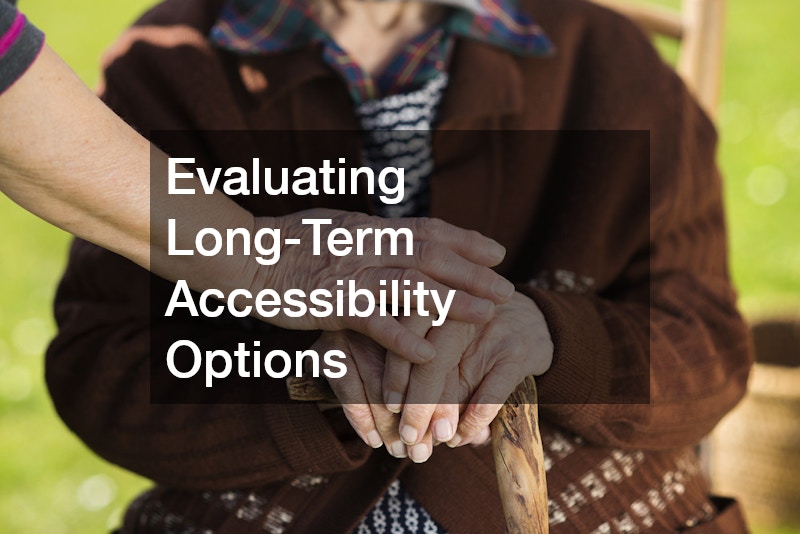
When choosing mechanical solutions for household mobility, it helps to understand the different options available. Every staircase has its own personality, whether it is a straight shot up to the second floor or a curved design with intermediate landings and corners. The wide variety of home stair lifts ensures that almost any architectural layout can be modified to suit changing health needs.
Selecting the right model requires assessing the user’s physical strength, weight, and cognitive ability to operate the controls. Some modern models feature convenient swivel seats that make getting on and off completely safe, while others have folding footrests to keep the walkway clear for other family members. Discussing these specific features with an installation expert ensures that the equipment integrates seamlessly into the household design. It is a highly practical modification that respects the look of the house while providing a non-negotiable layer of protection. Giving an aging parent the ability to move freely between floors preserves their autonomy and keeps them connected to family life.
Finding Trustworthy Hands in Your Neighborhood
While mechanical aids solve physical problems, human connection handles the emotional and social aspects of aging. Finding the right people to help can feel daunting when a health crisis hits unexpectedly. Families need to look toward their immediate community for resources that can be deployed quickly.
Choosing a reputable local home care agency ensures that help is never too far away when schedules change or unexpected emergencies happen. Nearby agencies understand the specific healthcare landscape of the community, including local doctors, pharmacies, and medical networks. They can match professional caregivers who share similar backgrounds or language skills, creating a comfortable environment for the senior. In addition, local providers can easily adjust care schedules if a sudden change in health requires extra supervision. Building an ongoing relationship with a nearby team creates a reliable safety net for everyone involved. This network allows family members to balance their careers and personal lives, knowing that an experienced professional is checking in on their loved one regularly throughout the week.
Meeting the Complex Needs of Cognitive Changes

Not all changes in senior health are physical. Sometimes, the shift is subtle, involving memory lapses, confusion, or sudden shifts in mood and behavior. Conditions like Alzheimer’s disease and other forms of dementia require a specialized approach that differs significantly from standard physical assistance.
When cognitive decline advances to a stage where safety becomes a constant worry, families must explore dedicated memory care solutions. This specialized support focuses on reducing confusion, managing behavioral changes, and providing a structured routine that offers deep comfort. It requires specific communication techniques, such as using short sentences, avoiding direct arguments, and validating the person’s emotions. Providing this level of constant supervision at home can quickly exhaust even the most dedicated family members. Understanding when to transition to a specialized program or bring in certified dementia experts is vital for everyone’s well-being. It ensures that the individual resides in an environment designed around their unique cognitive realities, minimizing daily frustration in a safe, peaceful manner.
Embracing Compassionate Comfort in Advanced Transitions
As chronic medical conditions advance, the focus of healthcare often shifts from seeking a cure to maximizing comfort. This transition can be emotionally difficult for families to accept, yet it represents an incredibly profound form of love, respect, and protection.
When curative treatments no longer provide true medical benefits, enrolling in specialized hospice services can bring immense relief to the entire family circle. This philosophy of care prioritizes expert pain management, emotional support, and spiritual comfort during the final stages of a serious illness. A dedicated team of doctors, nurses, social workers, and chaplains collaborates to ensure the individual lives their remaining days with maximum dignity and minimum distress. This support is not about giving up hope; rather, it is about redefining what hope means in the final chapters of life. It provides family members with the guidance they need to navigate the emotional landscape of loss while ensuring their loved one is surrounded by peace, respect, and professional clinical oversight.
Managing End-of-Life Decisions with Grace
Planning for what happens after a loved one passes away is essential. While these discussions are undeniably difficult to initiate, addressing them before a crisis occurs removes an enormous logistical burden during a time of intense grief.
Many modern families find that choosing a reputable cremation service offers the flexibility, simplicity, and dignity they need during a period of bereavement. This option allows family members to focus on their emotional healing rather than rushing through immediate, complex funeral arrangements. It provides an affordable and deeply respectful method for handling a loved one’s physical remains, allowing the family to take their time planning how they wish to celebrate that unique life. Decisions can be made calmly, ensuring that the wishes of the deceased are honored precisely as they intended. Taking care of these arrangements ahead of time provides a strange kind of comfort, knowing that the final physical details are handled with utmost professionalism and care.
Celebrating Legacies and Stories Left Behind
The final step in the caregiving journey involves honoring the profound impact a person made on the world. Gathering together to share stories, tears, and laughter is a vital part of the human grieving process.
Creating physical or digital memorials gives family and friends a dedicated space to remember a person’s achievements, kindness, and unique personality traits. These tributes can take many forms, from traditional gravestones and custom bronze plaques to tree plantings, charitable funds, or intimate family gatherings. It allows friends and distant relatives to connect and offer their support from afar. The specific format matters far less than the intention behind it. Having a permanent place or method to reflect on a loved one’s life helps future generations understand their roots and family history. It transforms the pain of loss into a celebration of a legacy that continues to live on through the values they passed down. For caregivers, seeing a beautiful tribute completed brings a sense of closure, marking the end of a long, dedicated season of service with a lasting symbol of love.
Building Your Long-Term Care Toolkit
Navigating sudden changes in senior health requires an incredible amount of emotional resilience, patience, and practical information. No single person can handle every aspect of this transition alone, and trying to do so often leads to severe caregiver burnout. By understanding the available medical resources, environmental modifications, and end-of-life care options, families can build a comprehensive strategy that protects everyone involved. True preparation involves researching these paths long before an emergency forces a quick decision. When families take proactive steps, they regain a sense of control over an unpredictable situation.
Leaning on professional networks allows family members to preserve physical and mental well-being throughout the process. It is vital to remember that seeking assistance is a sign of strength, demonstrating a commitment to quality standards rather than an inability to cope. Every decision made with foresight reduces future friction, ensuring that sudden medical shifts do not result in chaotic panic. Families who embrace community resources find themselves better equipped to handle daily challenges with grace. They can focus on creating meaningful moments with their elderly relatives, ensuring that the final chapters of life are defined by emotional warmth and security.
The journey of caregiving is filled with unexpected twists, but it is also an opportunity to show deep love and devotion. Having these discussions early ensures that the senior’s preferences remain at the center of every medical and logistical choice. With the right tools, knowledge, and community support, navigating these changes becomes a manageable path marked by dignity, respect, and enduring peace for the entire family.