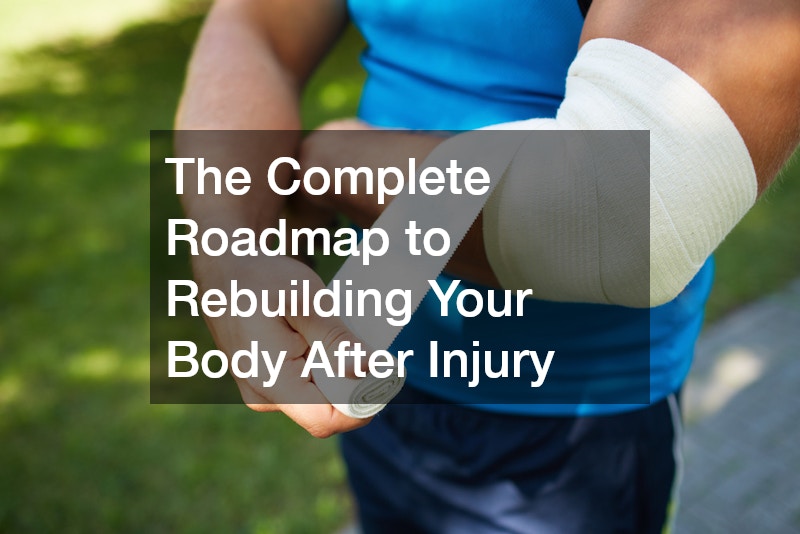
Suffering a severe physical injury is an incredibly jarring experience that extends far beyond the immediate physical pain. When you are suddenly sidelined from your daily routines, your career responsibilities, or the athletic pursuits that define your personal identity, the psychological toll can be just as debilitating as the damaged tissue. It is entirely normal to experience a profound sense of frustration, fear about the future, and even a mourning period for the physical capabilities you have temporarily lost. However, succumbing to the mindset of a helpless patient is the greatest obstacle to your ultimate recovery.
For decades, the standard medical advice for a severe strain, tear, or break was simply to rest. The belief was that if you sat completely still, stayed off your feet, and waited patiently, the body would magically knit itself back together. Modern science has unequivocally proven this to be a massive fallacy. Passive rest is the enemy of resilient healing. While absolute immobilization is sometimes necessary in the days immediately following a trauma or surgery, prolonged inactivity leads to rapid muscle atrophy, severe joint stiffness, and the accumulation of dense, inflexible scar tissue.
Rebuilding a broken body requires an aggressive, highly strategic, and active approach. It is a phased journey that demands your full participation and a willingness to understand the underlying mechanics of human physiology. This comprehensive roadmap is designed to guide you through the exact progression you must follow to not only heal your current injury but to reconstruct a physical foundation that is stronger, more balanced, and exponentially more resilient than it was before you were hurt. By optimizing your internal chemistry, correcting your structural alignment, navigating clinical rehabilitation, and committing to lifelong strength training, you can reclaim your physical freedom.
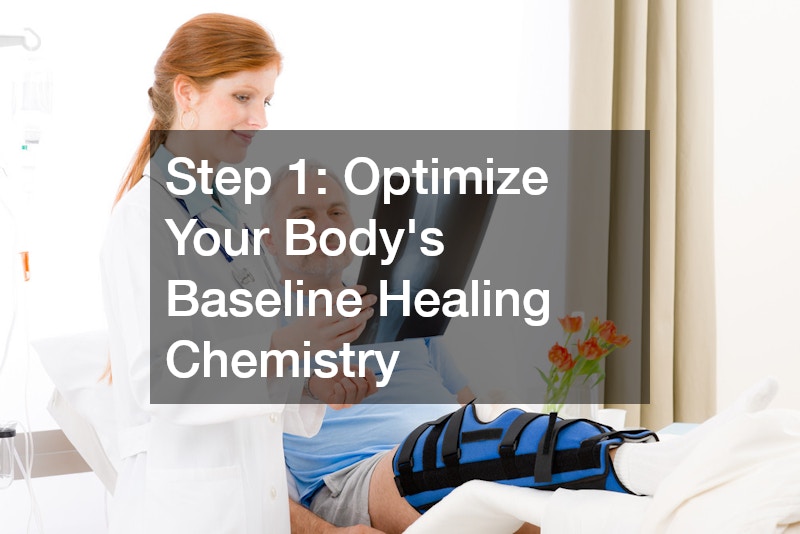
Step 1: Optimize Your Body’s Baseline Healing Chemistry
Before you can effectively rebuild the structural components of your muscles and joints, you must ensure that your body possesses the raw internal materials required to perform that reconstruction. Healing happens at the cellular level. If your internal environment is toxic, inflamed, or deficient in critical hormones, no amount of external physical therapy will yield optimal results. The very first actionable step in your recovery journey is to consult with your physician and request a comprehensive blood panel. You need to identify any underlying inflammatory markers, vitamin deficiencies, or hormonal imbalances that are silently sabotaging your cellular repair processes.
Understanding and managing inflammation is the cornerstone of the early healing phase. It is vital to differentiate between acute and chronic inflammation. When you first sustain an injury, your body triggers an acute inflammatory response. Blood vessels dilate to rush white blood cells, nutrients, and growth factors to the damaged site. This initial swelling, while painful, is a mandatory biological mechanism for stabilizing the injury and initiating the first stages of tissue repair. However, if this acute response spirals into chronic, systemic inflammation due to poor diet, stress, or immobility, it creates a toxic environment that actively degrades healthy tissue and prevents the formation of strong, pliable collagen.
To combat chronic inflammation and optimize your internal chemistry, you must implement strict nutritional and environmental interventions.
Consider the following strategies to support your cellular baseline:
- Anti-Inflammatory Nutrition: Dramatically reduce your intake of refined sugars, processed seed oils, and alcohol, all of which stoke the fires of systemic inflammation. Replace these with high-quality proteins, omega-3 fatty acids found in wild-caught fish, and an abundance of dark, leafy greens.
- Targeted Supplementation: Discuss the use of natural anti-inflammatory compounds with your doctor, such as high-absorption curcumin (turmeric), proteolytic enzymes, and vitamin C, which is essential for collagen synthesis.
- Age-Related Hormonal Support: As the human body ages, it naturally produces fewer of the critical hormones responsible for protein synthesis, tissue regeneration, and bone density. This is why a twenty-year-old heals from a torn ligament much faster than a fifty-year-old. For older adults struggling to recover, consulting an endocrinologist about bioidentical hormone replacement therapy can sometimes safely restore these vital chemical messengers to optimal levels, drastically accelerating the body’s natural capacity to repair damaged tissue.
- Vascular Flushing: To manage localized swelling without resorting to excessive oral medications, you can utilize temperature therapies. Engaging in a brief, controlled cold plunge can constrict dilated blood vessels, naturally flushing stagnant fluid out of an injured extremity and temporarily numbing acute nerve pain, creating a window of comfort for gentle movement.

Step 2: Correct Structural Imbalances to Alleviate Nerve Pressure
Once you have addressed your internal chemistry and the initial swelling has begun to subside, you must look at your body as a complete, interconnected mechanical system. One of the most common and devastating mistakes patients make during recovery is focusing exclusively on the specific site of the injury. If you tear a ligament in your right knee, the problem is not just isolated to your right knee. The moment you sustain that injury, your brain subconsciously alters your movement patterns to protect the damaged tissue. You begin to limp, you shift your weight to your uninjured leg, and you alter the natural swing of your arms to maintain balance.
These altered movement patterns are known as compensatory mechanics. While they are necessary in the short term to prevent further damage to the acute injury, they wreak absolute havoc on the rest of your skeletal chain if left uncorrected. When you favor one side of your body for weeks or months, your pelvis twists, your spinal vertebrae shift out of their neutral alignment, and muscles that were never designed to bear heavy loads are suddenly forced to work overtime.
This chain reaction of structural compensation frequently leads to severe secondary pain that can be more debilitating than the original injury.
To prevent these secondary issues and restore proper biomechanics, you must take the following steps:
- Evaluate the Entire Skeletal Chain: Have a professional analyze your gait, your resting posture, and your spinal alignment. They will look for discrepancies in leg length, pelvic tilts, and uneven shoulder heights that have developed since the injury occurred.
- Release Overworked Muscles: The muscles that have been compensating for your injury will be locked in a state of chronic spasm. Techniques like deep tissue massage, myofascial release, and trigger point therapy are required to unglue these tissues and allow the skeleton to return to a neutral position.
- Restore Joint Mobility: If the joints surrounding the injury are blocked or restricted, you cannot safely begin loading the body with physical exercises. Restoring the micro-movements within the joint capsules is a mandatory prerequisite for rehabilitation.
- Targeted Re-alignment: To correct the pelvic twisting and spinal shifting caused by your compensatory limping, seeking targeted chiropractic treatment can be incredibly effective. By realigning the joints that have been pulled out of place, you remove the unnatural pressure on your central nervous system, which is frequently the missing link for achieving lasting back pain relief during the prolonged recovery process.

Step 3: Reintroduce Load Safely Through Buoyancy and Guided Motion
With your internal chemistry optimized and your structural alignment corrected, you are finally ready to begin the physical work of waking up your dormant muscles and reintroducing movement to the injured tissues. However, this phase requires extreme caution and clinical supervision. The newly formed collagen fibers at the site of your injury are incredibly fragile. If you immediately jump onto a treadmill, start lifting heavy dumbbells, or subject the joint to the harsh, unpredictable impact of gravity on dry land, you run a very high risk of re-tearing the tissue and sending yourself right back to square one.
The smartest and safest way to begin your movement journey is in a controlled, low-impact environment. By altering the physics of your surroundings, you can perform ranges of motion that would be far too painful or dangerous to attempt under the full weight of gravity.
This is where the unique properties of water become your greatest asset.
- The Power of Hydrostatic Pressure: When you submerge your body in water, the fluid exerts a gentle, uniform pressure on every surface of your skin. This hydrostatic pressure acts like a full-body compression garment, naturally reducing residual swelling in the injured joint and providing a profound sense of stability.
- Harnessing Buoyancy: Water neutralizes the effects of gravity. Depending on the depth of the pool, you can unweight your body by up to ninety percent. This allows your spine to decompress and your joints to move freely without the harsh, compressive forces they experience on land.
- Omnidirectional Resistance: Unlike a dumbbell, which only provides resistance in the direction of gravity, water provides smooth, accommodating resistance in every single direction you move. This allows you to safely engage the muscles surrounding the injury without risking sudden, jerky motions that could cause a setback.
Booking an initial aquatic therapy appointment is often the perfect bridge between passive rest and active rehabilitation. Under the guidance of a specialist, you can begin retraining your gait and performing gentle mobility drills in the water. As your confidence grows and the tissues demonstrate that they can handle this low-level stress, you will systematically transition to land-based movement. This transition marks your official entry into a structured physical therapy rehab program, where a clinician will guide you through highly specific, isolated exercises designed to target the exact muscle groups that have atrophied during your period of inactivity.
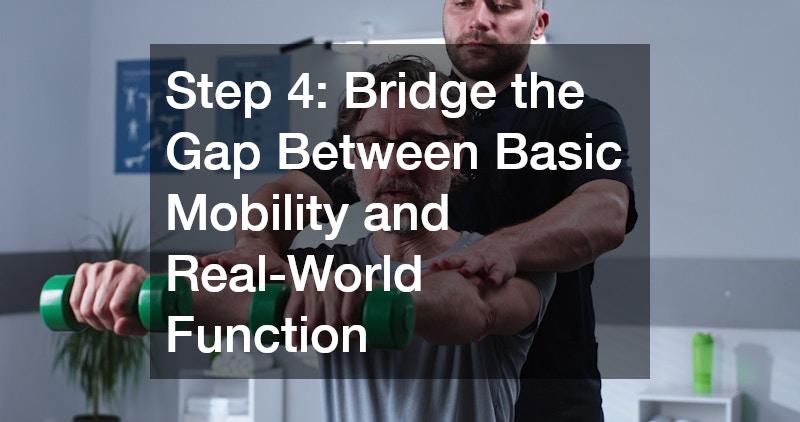
Step 4: Bridge the Gap Between Basic Mobility and Real-World Function
Graduating from the initial phases of guided clinical movement is a massive milestone, but it is not the end of your journey. Being able to perform a slow, controlled leg lift on a padded treatment table does not mean your body is prepared to handle the chaotic, unpredictable physical demands of the real world. Real life does not happen in a sterile clinical environment. Real life involves stepping off a curb awkwardly, twisting suddenly to catch a falling object, carrying unbalanced loads of groceries, and reacting instantly to a shifting environment.
If you stop your rehabilitation the moment you achieve basic, pain-free mobility in a straight line, you are leaving your body incredibly vulnerable to re-injury. You must bridge the gap between clinical isolation and functional, dynamic movement. This requires a specialized focus on retraining your nervous system, not just your muscle fibers.
When you sustain an injury, you do not just tear muscle and bone; you sever thousands of microscopic nerve endings called proprioceptors. These receptors are responsible for telling your brain exactly where your body is in space, how much tension is on a joint, and how quickly a muscle needs to fire to protect you from falling.
To repair this damaged neurological connection and rebuild functional resilience, your training must evolve:
- Balance and Stability Drills: You must deliberately introduce instability into your workouts. Utilizing tools like wobble boards, stability balls, and single-leg balance exercises forces your brain to rapidly communicate with the stabilizing muscles surrounding your joints, effectively waking up the damaged proprioceptive network.
- Multi-Planar Movement: Life happens in three dimensions. You must move away from exercises that only go forward and backward. Incorporate rotational movements, lateral lunges, and diagonal pushing and pulling patterns that mimic the natural biomechanics of human movement.
- Occupational and Hobby Mimicry: Your late-stage rehabilitation should look less like physical therapy and more like the activities you are trying to return to. If your job requires heavy lifting, you need to practice functional deadlifts. If you want to return to playing tennis, you need to practice explosive lateral bounding and rotational core power.
Transitioning into a program modeled after sports rehab principles ensures that you regain the dynamic, explosive strength necessary to handle unpredictable physical stressors. As you introduce these heavier loads and more complex movements, it is crucial to maintain routine chiropractic care to monitor your spinal alignment, ensuring that your nervous system remains completely unhindered and your joints continue to track perfectly as you push your physical boundaries.
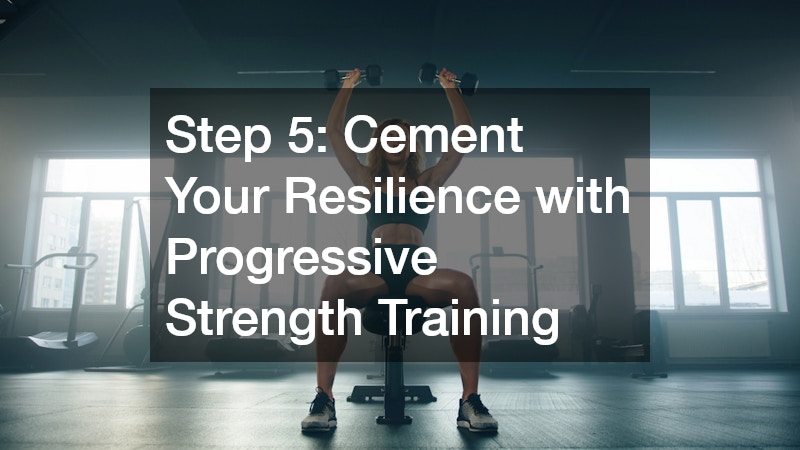
Step 5: Cement Your Resilience with Progressive Strength Training
The final phase of rebuilding your body is a transition of mindset. You must stop viewing yourself as a fragile, recovering patient and begin viewing yourself as an athlete in training for the rest of your life. The clinical healthcare system is designed to get you out of pain and return you to a baseline level of function. Once you are able to walk up a flight of stairs, drive your car, and sit at a desk without agonizing pain, your medical team will likely discharge you.
This moment of clinical discharge is the most dangerous point in the entire recovery process. Far too many people mistakenly believe that because they have been cleared by their doctor, the work is done. They abandon their daily exercises, return to a sedentary lifestyle, and slowly lose all the strength and mobility they fought so hard to regain. Within a year, the compensatory mechanics return, the muscles atrophy once again, and the exact same injury reappears.
To break this cycle, you must understand that protecting a healed injury requires the continuous maintenance of a muscular “armor.” You must subject your body to the principles of progressive overload. This means systematically and safely increasing the weight, resistance, or complexity of your exercises over months and years, forcing your bones to become denser, your tendons to become thicker, and your muscles to become larger and more powerful.
Securing a permanent gym membership is an essential investment in maintaining your long-term tissue capacity and overall resilience. However, stepping onto a busy weight room floor after a major injury can be highly intimidating, and the risk of utilizing improper form under heavy loads is a genuine concern. To ensure you do not accidentally undo months of meticulous clinical progress, it is strongly recommended that you hire a credentialed fitness coach. A knowledgeable professional will act as the final bridge in your recovery, creating customized training programs that respect your injury history while safely pushing you to achieve a level of strength and physical confidence that far surpasses your pre-injury baseline.
Conclusion
Rebuilding a broken body is rarely a linear process. It is a demanding, multifaceted journey that tests your patience, your psychological endurance, and your physical grit. There will inevitably be frustrating days where progress feels stagnant, and there will be moments where you doubt your ability to fully reclaim your former capabilities. However, by refusing to accept the passive role of a patient and embracing a strategic, structured roadmap, you place the power of recovery entirely back into your own hands.
By meticulously managing your internal healing chemistry, maintaining structural alignment, progressing logically through clinical rehabilitation, and committing to lifelong strength, you construct a physical foundation that is virtually bulletproof. The injuries of your past do not have to dictate the physical limitations of your future. The time for waiting and hoping for spontaneous healing is over. Take the very first proactive step today—whether that means scheduling a diagnostic consultation, requesting a comprehensive blood panel, or booking an assessment with a movement specialist—and begin the empowering work of building a stronger, more resilient version of yourself.