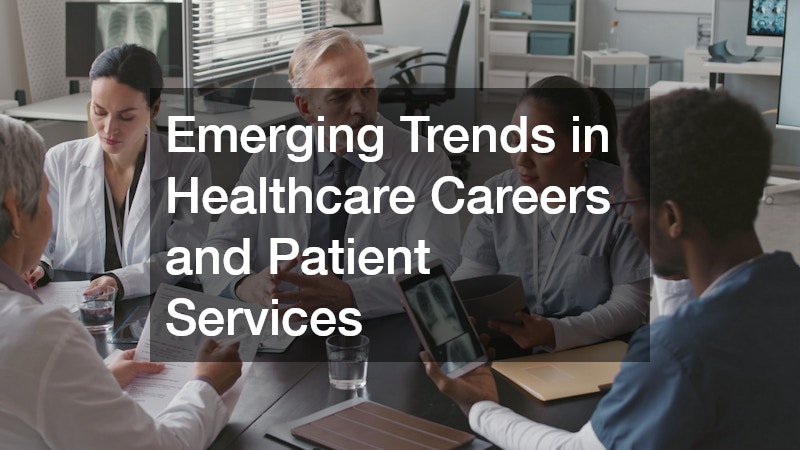
Healthcare is undergoing a significant transformation, shaped by rapid technological advancements, evolving patient expectations, and a growing need for skilled professionals. From aesthetic treatments to specialized home-based care, the landscape of healthcare careers and patient services is expanding in ways that offer both challenges and opportunities. For professionals in the field, keeping up with these changes is critical, not only to remain competitive but also to provide high-quality care that meets the diverse needs of patients.
In this article, we explore the latest trends in healthcare services, highlight emerging career paths, and provide actionable guidance for both current and aspiring professionals. Readers will gain insight into how innovative treatments, training programs, and patient-centered approaches are redefining the sector and creating new opportunities for growth.
Advancements in Cosmetic and Dental Procedures

One of the most noticeable trends in healthcare today is the increasing integration of specialized cosmetic and dental procedures into everyday patient care. Patients are no longer satisfied with basic services, they expect advanced treatments that improve not only health outcomes but also quality of life. Modern dentistry is no longer just about treating problems; it is about enhancing function, aesthetics, and long-term oral health.
For example, the use of dental implants has surged as a preferred solution for patients with missing teeth. Unlike traditional dentures, dental implants provide a permanent, functional, and aesthetically pleasing option that supports oral health and enhances self-confidence. Patients benefit from improved chewing ability, natural-looking results, and long-term durability. Implants also help maintain jawbone integrity and prevent the facial sagging often associated with tooth loss. Healthcare providers can leverage this demand by staying updated on the latest implant technologies, attending workshops, and collaborating with dental specialists to expand service offerings.
Moreover, dental implants are increasingly integrated with digital planning technologies such as 3D imaging and computer-guided surgery. These tools allow for precise placement, shorter procedure times, and faster recovery. For patients, this means less discomfort, better outcomes, and a higher level of satisfaction. Practices that adopt these technologies can position themselves as leaders in modern dental care, attracting patients who prioritize both quality and innovation.
Similarly, pediatric dentists are seeing growth in demand for child-focused oral care that goes beyond cavity prevention. Parents are increasingly seeking dental professionals who can offer comprehensive guidance on oral hygiene, orthodontic assessments, and early intervention strategies. Pediatric dentists are also integrating behavioral management techniques, sedation options, and preventive treatments that make visits less stressful for young patients. Creating a child-friendly environment, through play areas, educational tools, and positive reinforcement strategies, can significantly reduce anxiety and foster lifelong healthy oral habits.
Preventive dentistry is also evolving, with pediatric dentists incorporating advanced diagnostics like fluoride varnishes, sealants, and digital radiography to detect issues before they become serious. Early orthodontic assessments allow practitioners to identify misalignment or bite issues, which can minimize the need for invasive treatments later. Parents increasingly value these proactive approaches because they save time, reduce discomfort, and improve long-term oral health outcomes for their children.
Tips for healthcare providers:
-
Attend continuing education courses on advanced dental procedures, including implantology and pediatric orthodontics.
-
Collaborate with pediatric specialists to develop family-focused treatment plans that incorporate preventive care and early intervention.
-
Implement patient education programs to highlight the benefits of modern dental solutions, emphasizing both functional improvements and aesthetic enhancements.
-
Invest in technology such as digital imaging, 3D planning tools, and minimally invasive surgical equipment to improve precision and patient experience.
-
Create a welcoming environment for children, including behavioral management strategies, educational activities, and sedation options when necessary.
-
Offer consultations that clearly explain the long-term benefits of cosmetic and restorative procedures for both adults and children.
By combining expertise in adult and pediatric care, healthcare providers can create a holistic dental service portfolio that addresses both functional and aesthetic needs. Practices that successfully integrate cosmetic innovations, preventive strategies, and child-friendly approaches are better equipped to attract diverse patient populations, improve satisfaction, and position themselves at the forefront of modern dental care.
Aligning Teeth and Boosting Confidence

Cosmetic and orthodontic services are evolving to meet patient demands for minimally invasive, effective treatments. Invisalign, a clear aligner system, has become a preferred alternative to traditional braces for many patients. Unlike metal braces, Invisalign offers the benefit of discreet, removable aligners that allow patients to maintain oral hygiene easily while achieving precise orthodontic results. Patients appreciate the flexibility of removable aligners, which make eating, brushing, and flossing simpler than with fixed braces. Additionally, Invisalign’s digital treatment planning allows for predictable tooth movement and shorter treatment durations, increasing patient satisfaction and adherence.
Sculptra, a dermal filler that stimulates natural collagen production, is another service experiencing growing popularity. Unlike temporary fillers, Sculptra provides gradual, long-lasting facial rejuvenation that enhances the patient’s natural features. This treatment encourages collagen regeneration, improving skin texture and volume over time, rather than delivering immediate but short-lived results. Patients increasingly seek Sculptra because it delivers subtle, natural-looking improvements that maintain their unique facial characteristics, aligning with the growing trend toward personalized aesthetic care.
The integration of orthodontic and cosmetic treatments highlights a broader movement toward holistic healthcare approaches, where both functional and aesthetic needs are addressed simultaneously. Offering patients the option to combine treatments, such as Invisalign for smile alignment with Sculptra for facial rejuvenation, can elevate their overall experience and satisfaction.
Actionable steps for practitioners:
-
Offer consultations that explain the benefits of clear aligners and non-surgical aesthetic treatments, including potential combined approaches.
-
Train staff in patient education to ensure clients understand realistic outcomes, timelines, and aftercare requirements.
-
Partner with aesthetic specialists to expand service offerings without overextending resources, allowing for seamless referral networks.
-
Leverage digital imaging and simulation tools to help patients visualize results, increasing confidence in treatment decisions.
-
Promote post-treatment follow-ups to track progress, answer questions, and adjust care plans as needed.
By incorporating both orthodontic and cosmetic services, healthcare professionals can provide comprehensive solutions that improve patient confidence, enhance facial aesthetics, and support overall oral and facial health. Practices that embrace these integrated approaches are better positioned to meet evolving patient expectations while building long-term trust and satisfaction.
Emerging Therapeutic Technologies
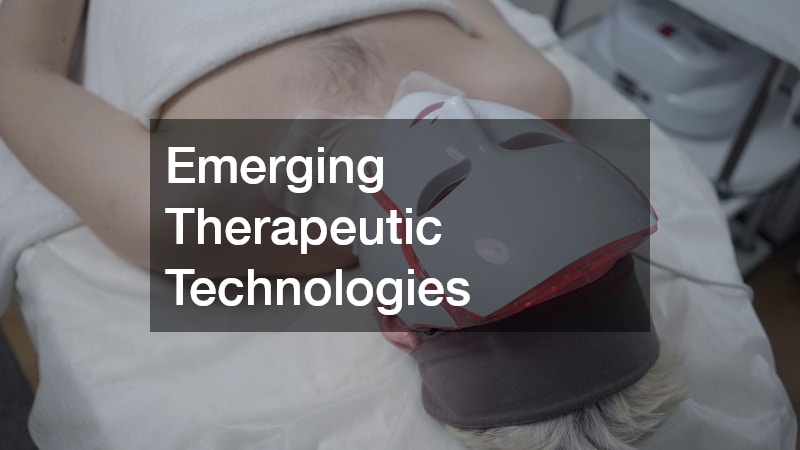
Therapeutic technologies are transforming patient care, offering solutions that extend beyond traditional medical interventions. Light-based therapies, such as light bed therapy, are gaining recognition for their applications in dermatology, mood enhancement, and wellness programs. Patients can benefit from treatments that reduce inflammation, improve skin health, and support mental well-being in a safe and controlled environment. Studies have shown that consistent light therapy can improve sleep patterns, relieve seasonal affective disorder (SAD), and promote skin healing, making it a versatile addition to clinical and wellness settings.
In addition to light-based therapies, cosmetic products like lash serum are becoming an integral part of the broader patient wellness landscape. While seemingly non-clinical, these treatments contribute to patient satisfaction, confidence, and overall perception of self-care. Many patients now expect guidance from healthcare providers on safe, evidence-based cosmetic options, particularly products that enhance natural features without invasive procedures. Incorporating these services can improve patient loyalty and position a practice as holistic and patient-centered.
Emerging therapeutic technologies also include devices and tools for at-home use, telehealth wellness monitoring, and wearable technologies that track patient outcomes. These innovations allow practitioners to extend care beyond the clinic, offering preventive and maintenance-focused solutions that empower patients to take an active role in their health.
Practical recommendations:
-
Educate patients on the safe use of light-based therapies and at-home cosmetic products, highlighting realistic expectations and potential risks.
-
Stay informed about new research validating therapeutic technologies and emerging wellness trends.
-
Incorporate wellness-focused services to complement traditional medical care, including mood enhancement, skin treatments, and preventive therapies.
-
Offer structured programs that combine multiple therapies to provide comprehensive, personalized care plans.
-
Track patient progress and satisfaction to assess the effectiveness of integrating these technologies into routine care.
By embracing emerging therapeutic technologies, practitioners can offer innovative solutions that enhance quality of life, improve patient satisfaction, and create new revenue streams for their practice. Integrating these approaches not only meets evolving patient expectations but also positions healthcare providers as forward-thinking leaders in holistic and patient-centered care.
Training the Next Generation of Allied Health Professionals
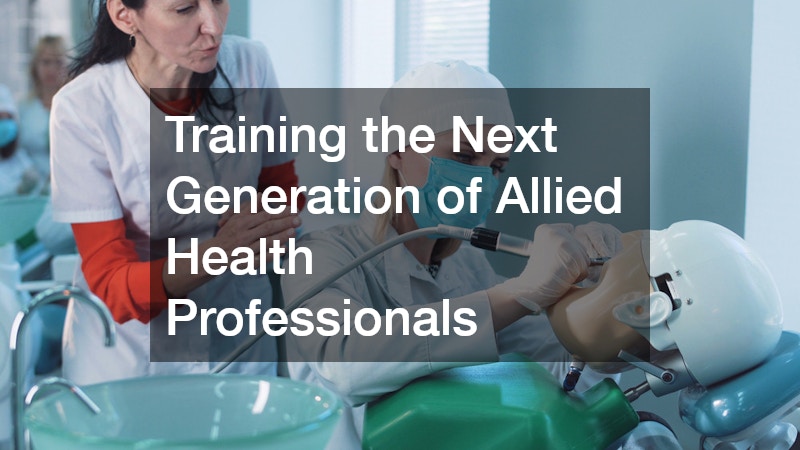
The demand for trained healthcare professionals continues to grow, particularly in specialized and flexible roles. Accredited EKG technician programs are an essential avenue for individuals seeking careers in cardiac care. These programs provide students with the technical skills, clinical knowledge, and certification required to perform accurate electrocardiogram assessments, which are critical for diagnosing heart conditions. In addition to clinical skills, these programs often teach students about patient communication, data interpretation, and collaboration with other healthcare providers, skills that are vital for efficient, high-quality care. Graduates of accredited programs are also more competitive in the job market, as employers prioritize recognized credentials that ensure competency and adherence to industry standards.
At the same time, travel registered nurse jobs offer a unique career path for nurses seeking flexibility and diverse experiences. These roles allow nurses to work in various clinical settings, often in high-demand locations, while gaining exposure to different patient populations and treatment approaches. This experience not only broadens professional expertise but also enhances adaptability, critical thinking, and cultural competency, qualities increasingly valued in healthcare organizations. Nurses in travel roles often gain access to higher compensation, professional development opportunities, and the ability to influence care practices across multiple institutions.
Tips for aspiring professionals:
-
Research accredited programs and certifications to ensure industry recognition and long-term career growth.
-
Seek mentorship or networking opportunities to gain insight into specialized roles, clinical best practices, and career pathways.
-
Consider travel positions to diversify experience, strengthen adaptability, and expand professional skills in real-world settings.
-
Take advantage of continuing education opportunities to remain current with technological advances, clinical guidelines, and patient care innovations.
-
Build a portfolio of experiences, including internships, volunteer work, and specialized training, to enhance employability and career mobility.
Healthcare organizations also benefit from supporting ongoing training, as a well-prepared workforce enhances patient outcomes, strengthens operational efficiency, and fosters a culture of excellence. By investing in professional development programs, partnerships with accredited schools, and flexible career pathways, organizations can attract and retain skilled professionals ready to meet evolving healthcare needs.
Expanding Patient Support Services at Home
Patient-centered care is increasingly moving into the home, reflecting a shift toward convenience, comfort, and individualized care plans. Home care services, which focus on non-clinical support like assistance with daily living activities, are growing in demand. These services help patients maintain independence, prevent unnecessary hospitalizations, and improve overall well-being. From meal preparation and personal hygiene assistance to companionship and mobility support, home care services address both practical and emotional needs, creating a safer and more supportive environment for patients.
In home health care, clinical services such as medication management, wound care, and physical therapy are delivered directly to patients’ residences. This model supports chronic disease management, post-surgical recovery, and preventive care, offering measurable improvements in patient outcomes and satisfaction. By providing care in familiar surroundings, patients often experience less stress, higher adherence to treatment plans, and improved recovery times. Additionally, caregivers can tailor interventions to each patient’s lifestyle, habits, and home environment, ensuring that care is both practical and effective.
Strategies for healthcare organizations:
-
Invest in staff training to ensure high-quality, consistent home-based care that meets both clinical and emotional needs.
-
Leverage telehealth, wearable devices, and remote monitoring technologies to supplement in-person visits and track patient progress in real time.
-
Develop personalized care plans that integrate medical interventions, rehabilitation, and lifestyle recommendations.
-
Encourage regular communication with family members to involve them in care decisions and provide education on proper support techniques.
-
Establish protocols for rapid response in case of emergencies, ensuring patient safety outside of traditional clinical settings.
By expanding patient support services into the home, providers can improve access, enhance quality of life, reduce healthcare costs, and foster stronger, trust-based relationships with patients and their families. This approach reflects a broader trend in healthcare toward holistic, patient-centered care, emphasizing convenience, dignity, and individualized support.
Integrating Careers and Services for Better Outcomes
Modern healthcare requires a coordinated approach that combines diverse services to meet the holistic needs of patients. Professionals can integrate multiple offerings, from dental procedures to cosmetic treatments and home-based care, into a comprehensive care strategy.
For example, a practice may provide dental implants and pediatric dentistry while also offering aesthetic services like Invisalign and Sculptra. Complementing these with light bed therapy and advice on at-home cosmetic products like lash serum creates a full-spectrum wellness offering. Meanwhile, supporting staff through accredited EKG technician programs and encouraging participation in travel registered nurse jobs ensures the workforce remains skilled, adaptable, and responsive.
Implementation tips for practices:
-
Cross-train staff to handle multiple services efficiently.
-
Build partnerships with specialty providers to expand offerings without overextending resources.
-
Monitor patient satisfaction and outcomes to identify areas for service enhancement.
-
Leverage technology to coordinate care across in-home health care and clinical settings.
By integrating services and aligning workforce development with patient needs, healthcare organizations can create a competitive advantage while delivering higher-quality care.
The healthcare industry is evolving at an unprecedented pace, driven by technological innovation, patient expectations, and workforce demands. Professionals who embrace emerging trends, ranging from cosmetic procedures to home-based care and specialized training programs, are better positioned to meet the needs of diverse patient populations.
As the sector continues to grow, staying informed, pursuing advanced certifications, and integrating innovative treatments and services into practice are key to success. Both aspiring and established professionals have the opportunity to enhance their careers while improving patient outcomes through strategic adoption of emerging healthcare trends.
Ultimately, healthcare careers and patient services are no longer siloed, they are interconnected, multidisciplinary, and increasingly focused on delivering holistic, patient-centered care. Adapting to these trends is not just an option; it’s essential for professionals who want to thrive in the modern healthcare landscape.